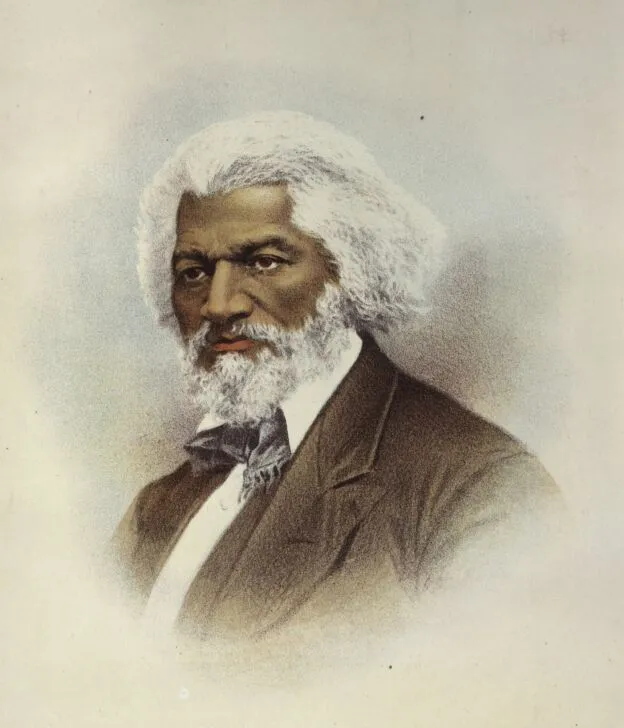
Frederick Douglass: Spokesman for the Declaration of Independence
May 12, 2026
In his most famous speech, “What to the Slave is the Fourth of July?” Frederick Douglass called America’s Independence Day “the first great fact” in the nation’s history. Its greatness was not simply the intention to become an independent nation, but more importantly the articulation of “the great principles of political freedom and of natural justice” contained in the Declaration of Independence. Douglass believed those principles were “the very ringbolt in the chain” of the “yet undeveloped destiny” of the young American republic.
Douglass tied his hopes for American progress and prosperity to “the great principles of justice and freedom” found in the Declaration of Independence. He called its “eternal principles” the “saving principles” of the nation. Because they were universal and timeless, they could serve as sure guides for the major reform efforts of his day. None was more urgent than the cause of abolition.
For most Americans, slavery was a clear contradiction of the self-evident truths of the Declaration. However, some Americans justified the peculiar institution by arguing that slavery was a “positive good” for both the legal master and slave. Douglass thought this manifestly absurd: “There is not a man beneath the canopy of heaven, that does not know that slavery is wrong for him.” In countless speeches and editorials, he appealed to this underlying Golden Rule of American justice to direct public opinion towards the abolition of slavery and the equal rights of citizenship.
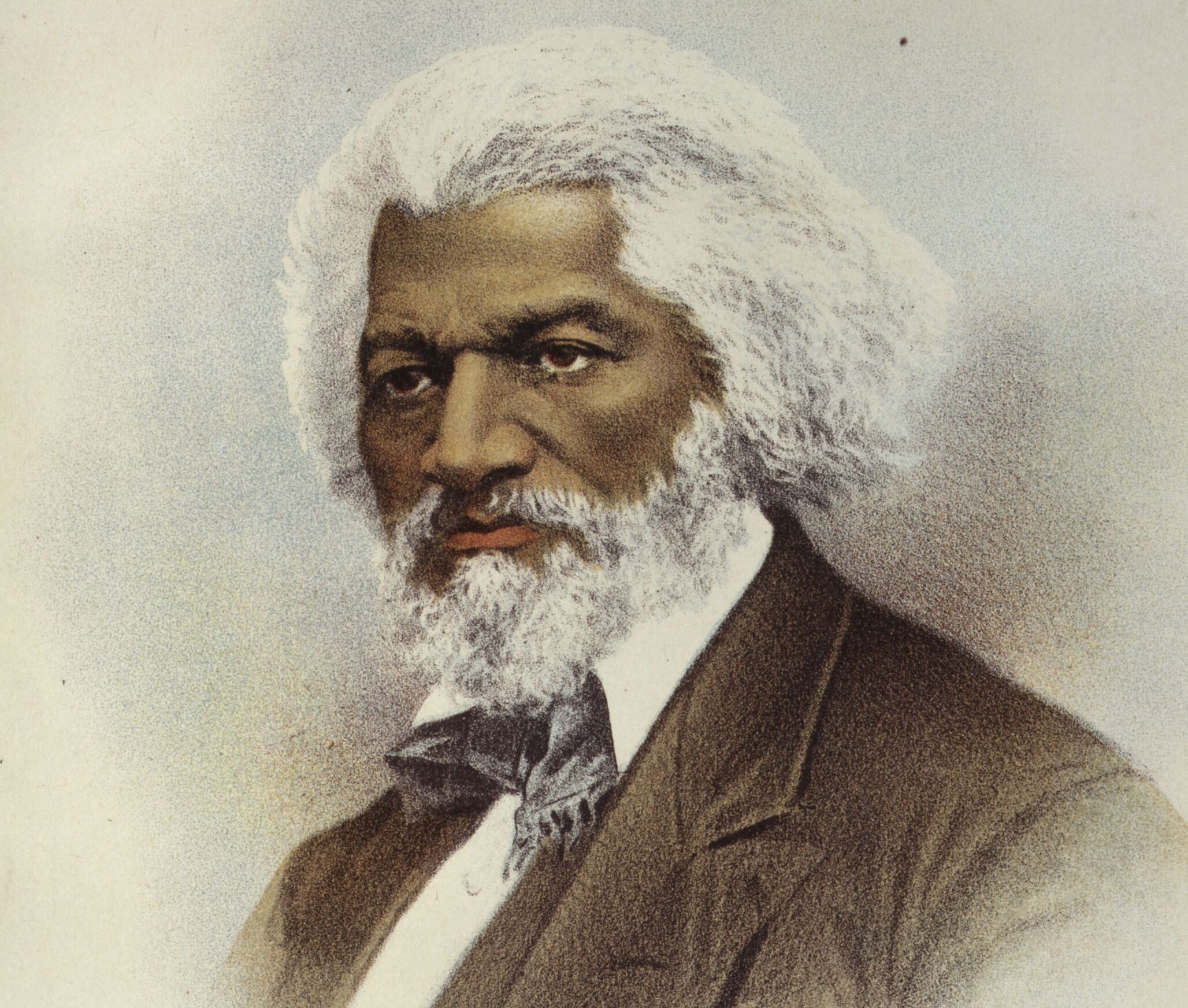
Douglass tied his hopes for American progress and prosperity to “the great principles of justice and freedom” found in the Declaration of Independence.
When the Civil War eventually produced an opportunity to free those enslaved in rebel-held states, Douglass declared that Lincoln’s Emancipation Proclamation would “give a fuller meaning to the Declaration of Independence, and put peace forever between the conscience and patriotism of the people.” He noted that “Mr. Lincoln has dared to apply the old truth of human liberty to this time. He has dared to declare the truth of the Declaration of Independence.” Although Lincoln justified his Emancipation Proclamation as “an act of justice, warranted by the Constitution, upon military necessity,” Douglass emphasized that it was “a grand moral necessity.” In his mind, the war for Union had to become a war for liberation to fulfill the promise of the Declaration.
As important as the principles of the Declaration were to justifying wartime emancipation, Douglass insisted on their relevance to peace-time security for civil and political rights. Prior to the Civil War, when Illinois Senator Stephen A. Douglas asserted that “popular sovereignty” empowered local white settlers to legalize slavery in the territories of Kansas and Nebraska, Douglass pronounced this a contradiction in terms. To grant “authority to enslave men” was “a hell black denial of popular sovereignty itself.” He reminded his fellow citizens that the “only intelligible principle on which popular sovereignty is founded, is found in the Declaration of American Independence.” After quoting the Declaration’s equality principle, Douglass added, “The right of each man to life, liberty and the pursuit of happiness, is the basis of all social and political right.” During and after the Civil War, he would continue to draw from “the great truths laid down by the fathers.”
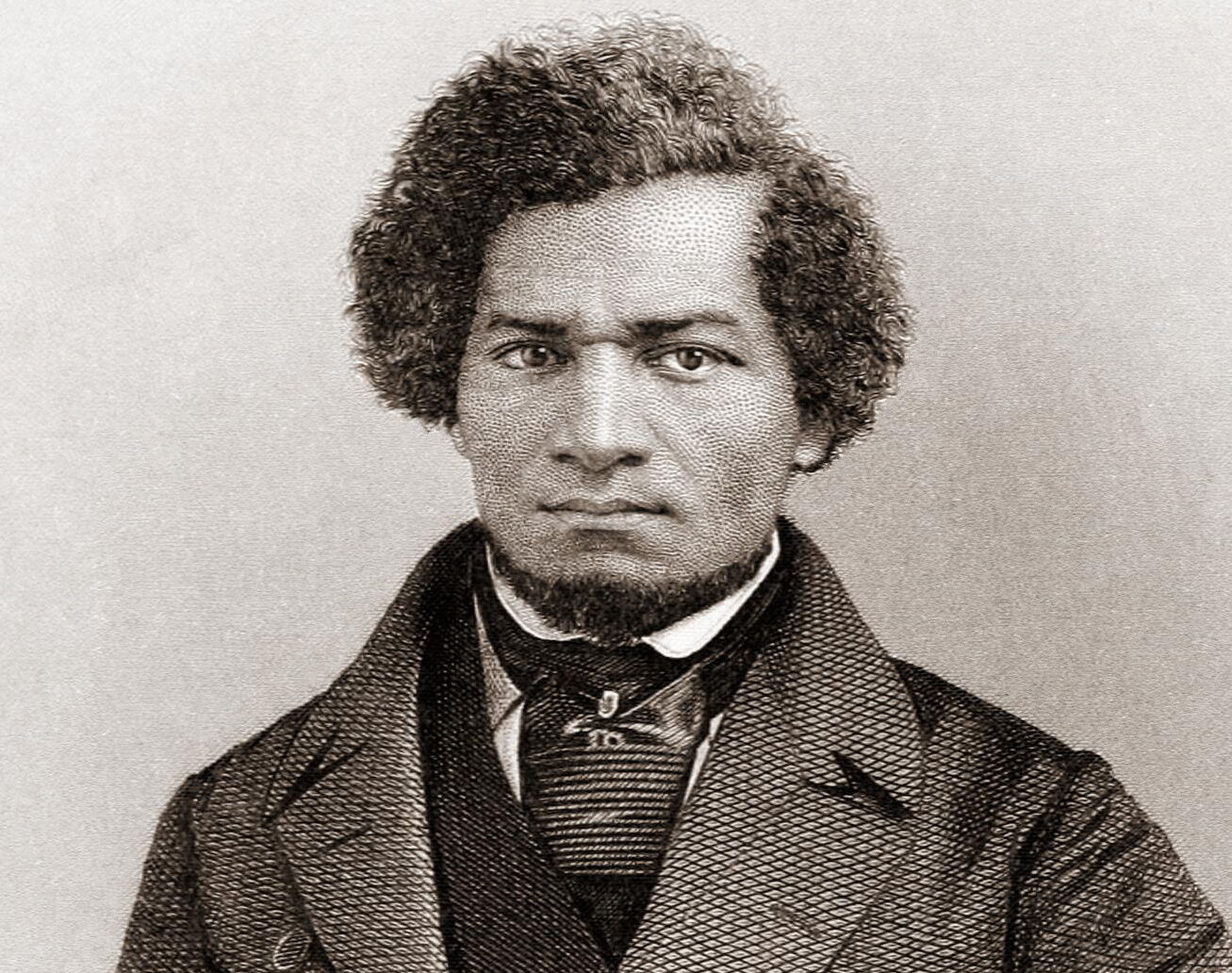
Like all the great statesmen in American history, Douglass was a consummate practitioner of civic education.
Foremost among the rights the freedmen and freedwomen would need was the vote. A few days before Lincoln issued his Emancipation Proclamation, Douglass forecasted that “the slave having ceased to be the abject slave of a single master, his enemies will endeavor to make him the slave of society at large.” Within days of Lincoln’s assassination, Douglass wrote, “Without the ballot, freedom for the negro in the slave States will be but little better than a name.”
He also pointed out that “where universal suffrage is the rule, where that is the fundamental idea of the Government, to rule us out is to make us an exception, to brand us with the stigma of inferiority, and to invite to our heads the missiles of those about us.” Black Americans needed the vote not only to protect themselves from the hostility of their former oppressors in the South but also to inform public opinion of their equal status as American citizens. To deny them the franchise would reinforce the myth of white supremacy that undergirded American slavery, further delaying their full inclusion into the mainstream of American social and civic life.
Like all the great statesmen in American history, Douglass was a consummate practitioner of civic education. He believed that nothing was more needful before, during, and after the Civil War than to disabuse the public of its racial bigotry. Central to Douglass’s mission was to get white Americans “to trust the operation of their own principles,” and thereby “hasten the day when the principles of liberty and humanity expressed in the Declaration of Independence and the Constitution of the United States shall be the law and the practice of every section, and of all the people of this great country without regard to race, sex, color or religion.”

About the Author
Lucas E. Morel is the John K. Boardman, Jr. Professor of Politics at Washington and Lee University. He is a Jack Miller Center Board Member, Academic Council Member, and Founding Civics Initiative Faculty.