
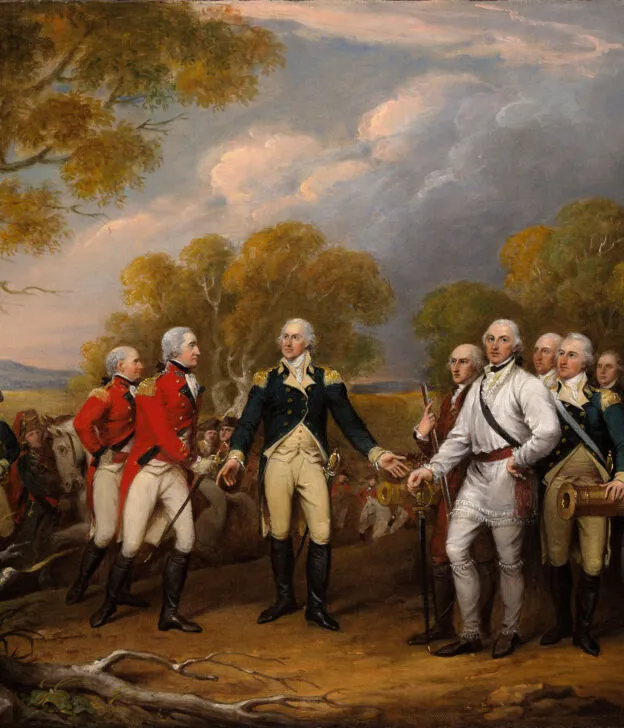
The Colonies that Didn’t Declare Independence
May 12, 2026
We can better understand the American Revolution from the perspective of the colonies that did not rebel within the rest of the British Empire.
The study of the colonies that did not rebel can tell us a great deal about what separated the 13 mainland colonies and why these colonies alone rebelled, why they alone declared independence. I like to describe the imperial history of the American Revolution as Hamlet without the prince. Instead of discussing the revolution in America, we can examine the revolution in the context of Britain’s other colonies: Canada, the British Caribbean (Jamaica, Barbados, the Leeward and Wind-ward Islands), Ireland, Gibraltar, the Channel Islands, India, and Senegal.
The imperial approach to American history was popular with the first professional academic historians of the colonial period, most notably Charles Andrews. The imperialist approach culminated with Laurence Henry Gipson’s 15 volume The British Empire Before the American Revolution.
Despite the title, Gipson and the other imperial historians of America never wrote on the American Revolution. The imperial approach can help us understand the causes of the American Revolution and British policy before 1776. When viewed solely from the perspective of America, imperial policy seems disjointed and incoherent, but clear patterns emerge when we look at the policies throughout the empire. There were similar new initiatives elsewhere in the empire. These initiatives were motivated by a desire to reform the empire, to obtain a revenue from the colonies, to gain greater central control, to regulate colonial trade and to improve defenses. They paralleled similar imperial policies by France and Spain in the 1760s and 1770s. They were the outgrowth of schemes that had been meditated since earlier in the century.
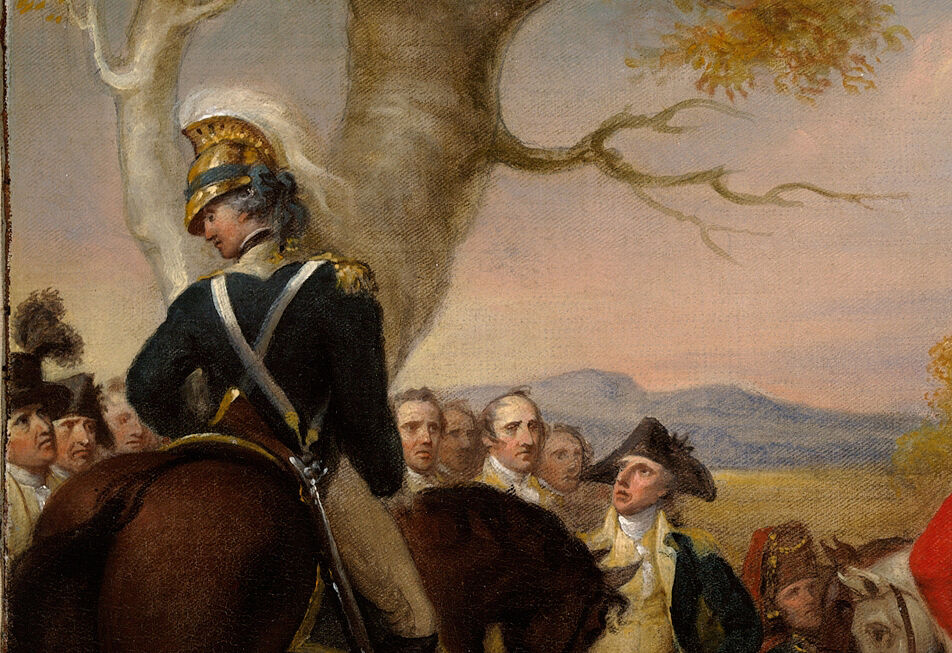
I like to describe the imperial history of the American Revolution as Hamlet without the prince.
The need to implement them became more urgent with the French and Indian War. Britain was then confronted with the acquisition of greater territory, especially with Canada and Bengal in India. It had to absorb large numbers of people of different ethnicities and religions. The war also escalated the size of the national debt. In contrast to previous imperial policy, which was often implemented through royal prerogative, these new policies were increasingly introduced by Parliament, such as the Stamp Act. This aimed to give them greater legitimacy and authority.
It is, though, striking that these policies were more numerous relating to America. As was claimed by the Declaration of Independence, there did indeed seem to be a deliberate train of events, which if not aimed at deliberate tyranny, would undoubtedly have created a more authoritarian empire and enabled the home government to bypass the elected legislatures to tax America. In the early 20th century, the imperial school of American history were dismissive of the provocations of the British. They argued that the taxes were light and therefore not tyrannical, but they ignored the constitutional implications. It is now clear that the causes of the revolution were as rooted in British as American History.
The imperial approach also offers a means to prioritize different explanations of the revolution by comparing the rebel colonies with the loyal colonies. Sam Adams and other patriots thought that their lead would be followed by other colonies in the British Empire. They were particularly hopeful for Canada. During the siege of Boston in 1775, George Washington committed troops to invade Canada under the leadership of Benedict Arnold and Richard Montgomery. They did not receive as much support as they had expected from the Canadians.
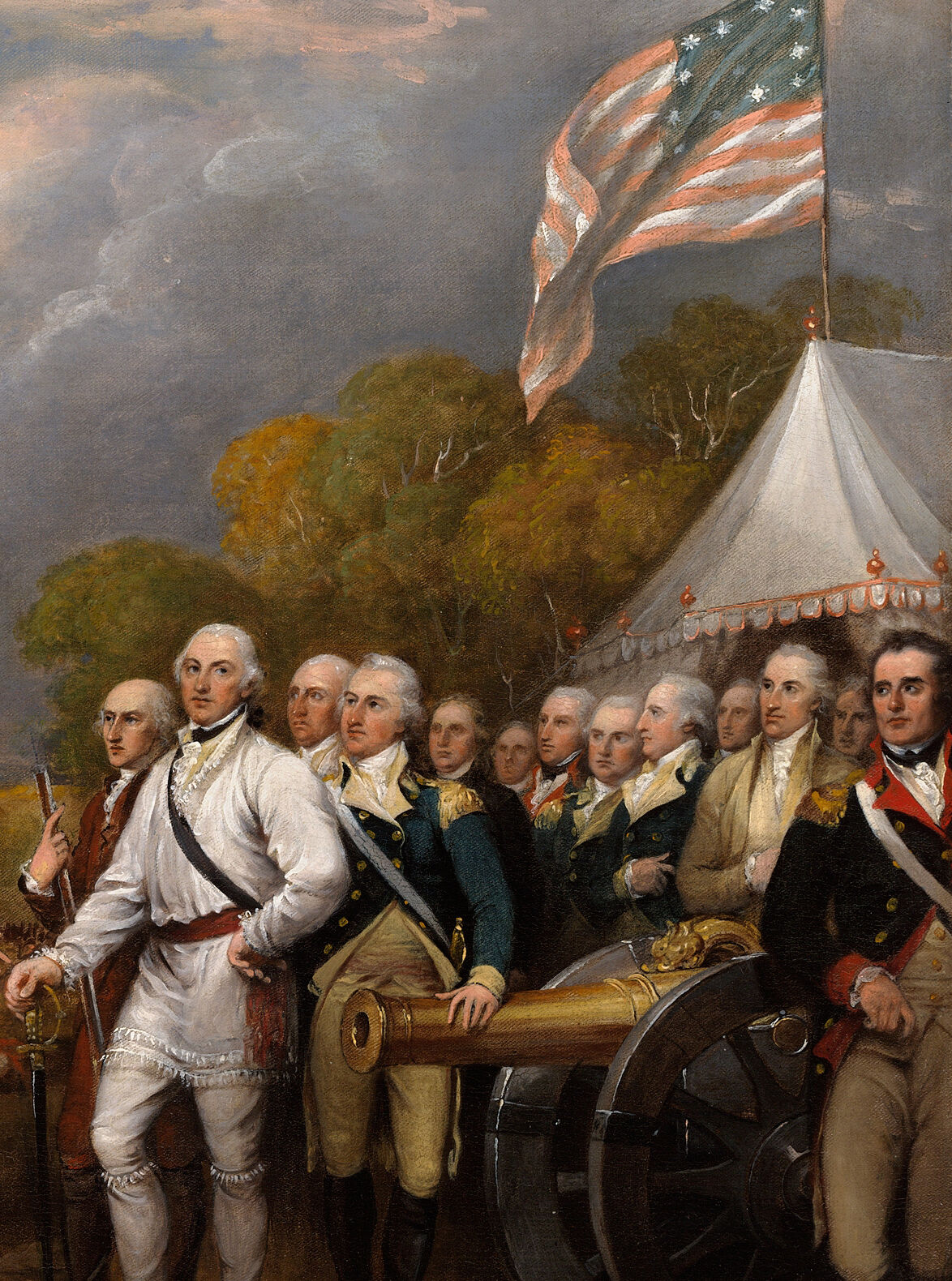
As was claimed by the Declaration of Independence, there did seem to be a deliberate train of events, which if not aimed at deliberate tyranny, would undoubtedly have created a more authoritarian empire.
There was some sympathy for the revolution in all the colonies, but for the most part, their views mirrored those of the American Loyalists. They wanted as much autonomy as possible but within the British Empire. They did not believe that imperial policies were irreversible or that there was a state of tyranny.
The most interesting colonies for comparative purposes were those of the British Caribbean and Ireland, and to a lesser extent, Bermuda and Nova Scotia. They each had elected legislatures like the thirteen mainland colonies. The Irish Parliament had declared independence of the British Parliament as early as 1640 and the Assembly of Barbados had denied the authority of the British Parliament in 1651. They subscribed to similar political ideas. The islands were especially similar to the southern colonies, enabling us to debate the role of slavery in the causes of the revolution.
These are few examples of how the imperial approach can contribute to our understanding of the revolution and the decision for independence. There are numerous other benefits, not least with an imperial focus on the global dimensions of the military actions which help explain why Britain lost the Revolutionary War.

About the Author
Andrew O’Shaughnessy is a professor at the University of Virginia who specializes in the 18th-Century Atlantic World and the British Empire.