
The Ladies, and How We Remember Them
May 12, 2026
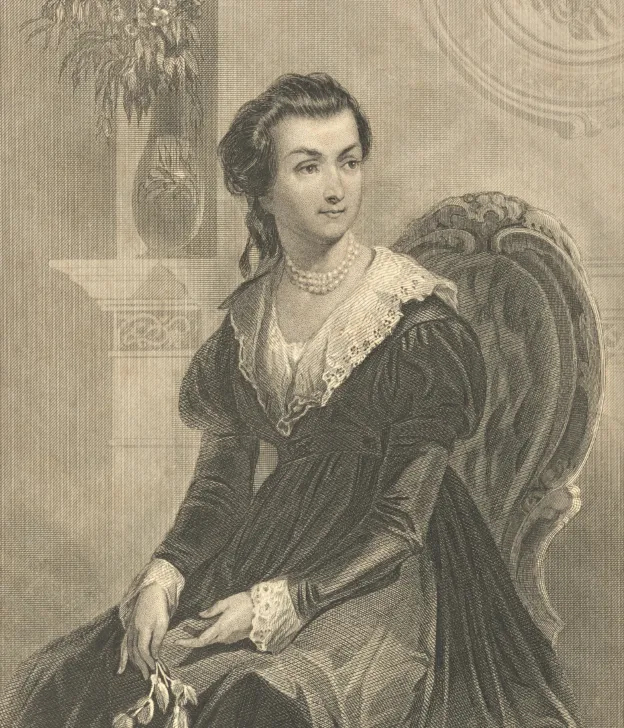
It is no small irony that perhaps the best-remembered line written by any one woman of the American Founding era is Abigail Adams’s admonition to her husband to “remember the ladies.” Generations of Americans have heeded Adams’s words no better than John himself, who laughed off his wife’s attempts to establish a “despotism of the petticoat.”
Most Americans have never read past Abigail’s famous line to understand what she meant by “remember the ladies,” and with her exception, few ladies of her moment have been remembered at all. If there was ever a time to rectify this error, it is now, as the United States passes the 250th anniversary of its birth. In this moment of celebration and reflection, perhaps it is finally time for Americans to do as Abigail Adams instructed. As it turns out, when we remember the ladies, we learn much about the country they helped build, and about our own inheritance from them as Americans.
When Abigail wrote to John to “remember the ladies,” in 1776, she had a legal and political objective in mind. Left behind for long stints at the family farm in Braintree, Massachusetts, while John tended to the delicate business of forming the new nation, Abigail was the Adams family breadwinner. She hired and fired, sold crops and livestock, and even speculated on land. And yet, she could do none of it in her own name. The legal fiction of coverture, a facet of English common law that pervaded the American colonies, subsumed the legal identities of married women into those of their husbands. While, functionally, Abigail ran the family business, she could only do so in John’s name, and with his approval. She had no legal share in the fruits of her labor.
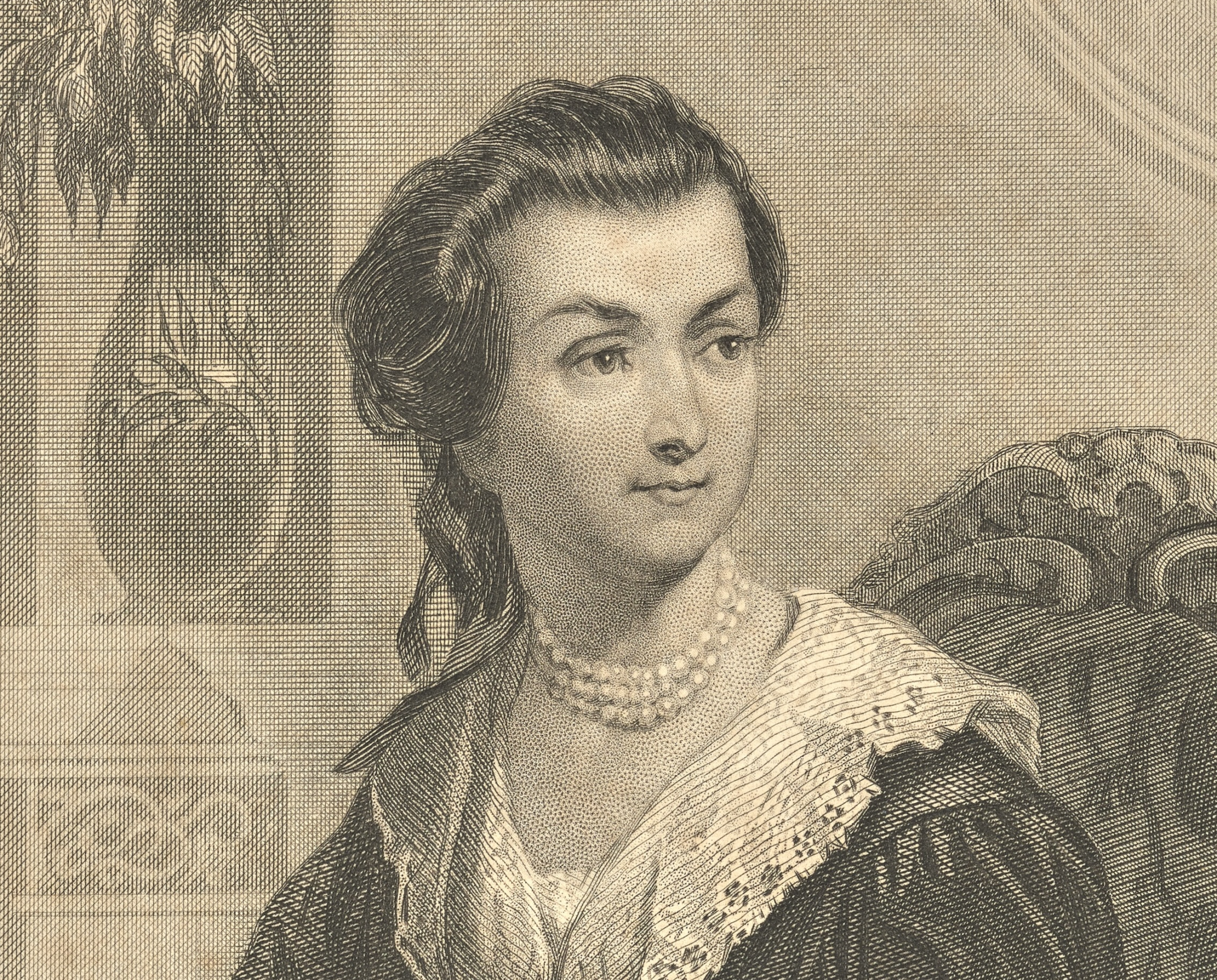
Her letter reveals the extent to which women developed the economic life of the new country throughout the Revolution.
This was the remembrance she asked of John—that he would recognize her work, and the work of other women like her, by amending the laws to allow married women the right to own property. Her letter reveals the extent to which women developed the economic life of the new country throughout the Revolution, while many men were otherwise occupied. It also reveals that women were thinking about the potential expansion of their rights during this supercharged political moment. John’s comparatively elevated concern for the rights of American women reflects his wife’s enduring influence on him, which is evidenced not only by this issue, but across too many facets of his political life to count. It was with good reason that, when he was in office, John’s rivals often referred to Abigail as “Mrs. President.”
When Abigail received a less-than-serious reply from her husband to her deadly serious inquiry, she lamented his frivolity to her close friend, Mercy Otis Warren. Mercy was no stranger to the demands of marriage to an important man—her husband, James, was, at the time, a major-general of the Massachusetts militia, as well as the president of the Massachusetts Provincial Congress. But Mercy herself was no slouch; John Adams once told her directly that he was intimidated by her, because he felt her “attainments dwarf those of most men.”
By 1776, Mercy had begun what would become a long and storied publishing career. At John Adams’s insistence, she had anonymously published a poem about the Boston Tea Party on the front page of the Boston Gazette, and her plays (also published and performed anonymously), “The Adulateur” and “The Defeat,” were successful and politically charged ventures that bolstered the cause of American independence. Warren would later go on to be a sharp-eyed critic of elements of the American political order, publishing an essay entitled “Observations on the New Constitution” in 1788 amid the ratification conventions. The likes of Herbert Storing regard this essay as one of the most theoretically sound presentations of Anti-Federalist thought ever written, and it is likely to have been instrumental in securing the Bill of Rights as a part of the ratified Constitution. This essay was also originally attributed to Elbridge Gerry of Massachusetts—Mercy’s great contribution to the ratification conversation would only become known as hers much later.
Remembering the past is a habit, both of mind and of action. It requires reading and re-reading what these women wrote.
Mercy and Abigail are just two of the “ladies” of the founding era. This is not to mention the likes of Phillis Wheatley, Judith Sargent Murray, Martha Washington, Deborah Sampson, Dolley Madison, Sarah Wentworth Apthorp Morton, Elizabeth Drinker, and so many others also worth remembering in their own right. If we desire to remember them better, we ought to consider what Mercy Otis Warren established in her final work, The History of the Rise, Progress, and Termination of the American Revolution: remembering the past is a habit, both of mind and of action. It requires reading and re-reading what these women wrote, if indeed they wrote anything that survives today, and it requires telling their stories as part of the mnemonic fabric of our national origins.
Perhaps one of the most exciting things about the founding era was its expansiveness—that it was a moment of political energy and genius not just reserved for the men we now consider “Founders”, but a moment that pervaded every corner of American society and culture. Half of that society was comprised of women, and most of the culture the product of their work. They, too, are worthy of our remembrance. Their stories, too, are ones that we should know and tell.

About the Author
Kirstin Anderson Birkhaug is assistant professor of political science at Hope College. Her research focuses on American political thought, with an emphasis on the contributions of women.