The Next American Civic Movement
Colleen Shogan, the 11th Archivist of the United States, argues that people, not parchment, determine whether our democracy succeeds.
October 15, 2026
Democracy is not self-executing. This is a lesson I have come to appreciate after spending much of my career studying and serving American governing institutions.
Our separated powers and federal system of government have preserved liberty for almost 250 years. But even the best-structured constitutional design cannot govern on its own. Institutions aren’t autonomous; they don’t make decisions. People, not parchment, determine if self-government succeeds. Our Constitution provides the rules, but citizens and elected leaders must supply the judgment and restraint to allow these rules to operate effectively.
Every generation must choose how to exercise power, deal with disagreement, and promote the common good. In the end, the success of a large democratic republic like the United States depends on citizens capable of governing themselves.
That is why the future of civics is among the most important questions facing our country to ensure its continued vitality and longevity. Even though we are routinely inundated by controversies that threaten democracy, our current civics crisis is not likely to appear “above the fold” as a major newspaper headline. Nevertheless, a recent NBC News poll sponsored by More Perfect found that 80 percent of Americans believe the United States places too little emphasis on teaching about civics and democracy in schools. That is precisely why a community of nonprofit, academic, and community leaders must collectively solve this problem.
For too long, we’ve thought about civics narrowly. It’s treated as another academic subject in a long list of curriculum requirements. A few lessons on the Constitution and a memorized list of names, places, and dates have been accepted as sufficient. It is not.
The purpose of civics is not only to explain how government works. We must also prepare citizens for the responsibilities of living in a democratic republic. In a world increasingly infiltrated by extremist ideology and false information, we need Americans to develop skills such as the ability to evaluate sources, engage in active listening, and collaborate.
Make no mistake: knowledge of our constitutional system matters. And so do habits that can’t be instilled by a textbook, such as integrity, responsibility, courage, resilience, curiosity, self-restraint, and toleration. These qualities were important centuries ago when the founders drafted the Declaration of Independence and the Constitution. Right now, they are more important than ever. Virtues such as these govern how citizens use their knowledge and skills, especially when laws and institutions cannot compel laudable behavior.
2026 provides us with a moment to rethink civics education. We have marked our nation’s 250th anniversary and now we must turn our attention to the immediate future. Our approach to civics should not simply demand more knowledge or political engagement. Instead, we need to focus on cultivating citizens who can sustain a free society. That requires character. It requires historical context. And it requires practical skills—listening well, deliberating honestly, solving problems collaboratively. Together, these prepare young people for the lifelong responsibility of self-government.
Teachers will play an indispensable and outsized role in this movement, but we cannot place the entire burden of this renaissance on their shoulders. Families must do their part. Libraries and museums preserve our shared memory and play a critical role. Volunteer associations and religious communities likewise reinforce the virtues necessary for a strong democratic society. Philanthropy also must step up to the plate and provide resources for worthy programs and initiatives.
This movement should not adopt a particular political ideology or policy outcome. For too long, we have allowed polarization to dominate and consume previously non-political aspects of American life, including civics. One side focuses on civic action, while the other emphasizes civic knowledge. Should schools focus on patriotism or a critique of past decisions? Protest or The Federalist? These are false choices.
Instead, the movement we need to build asks students to learn about our extraordinary achievements while also forming reasoned opinions of our shortcomings. It requires informed judgment before demanding action. We don’t need a better politics from civics; it’s much more basic than that. We need self-governing citizens. This is a problem that both liberals and conservatives should be able to work on together. If we do this correctly, a more respectful political environment will emerge.
In addition to focusing on knowledge, virtue, and skills as a tripartite strategy for the future of civics, it matters how we deliver these resources. The next civic movement should be the most innovative in American history. Emerging technologies, including artificial intelligence and immersive simulations, give us that opportunity.
Imagine students engaged in conversations with our founders and other important historical figures, debating decisions, questioning choices, and testing arguments. I read about the 1787 Constitutional Convention as a high school student, but what if I could have participated in a simulated version of it? Technology, like artificial intelligence, won’t replace teachers, librarians, community leaders, or other knowledge navigators. But it will make studying civics more personalized and engaging than ever before.
While vital to the health of a democracy, civics isn’t confined to preparation for voting. It is preparation for life in a free society. The principles contained in the Declaration, including universal equality and the existence of certain unalienable rights, can only be secured by engaged citizens. That is why the Constitution begins with the phrase We the People.
With 250 years behind us, we have proven that self-government is possible. The next 250 years will depend on whether we prepare citizens capable of sustaining and strengthening it.
About the Author
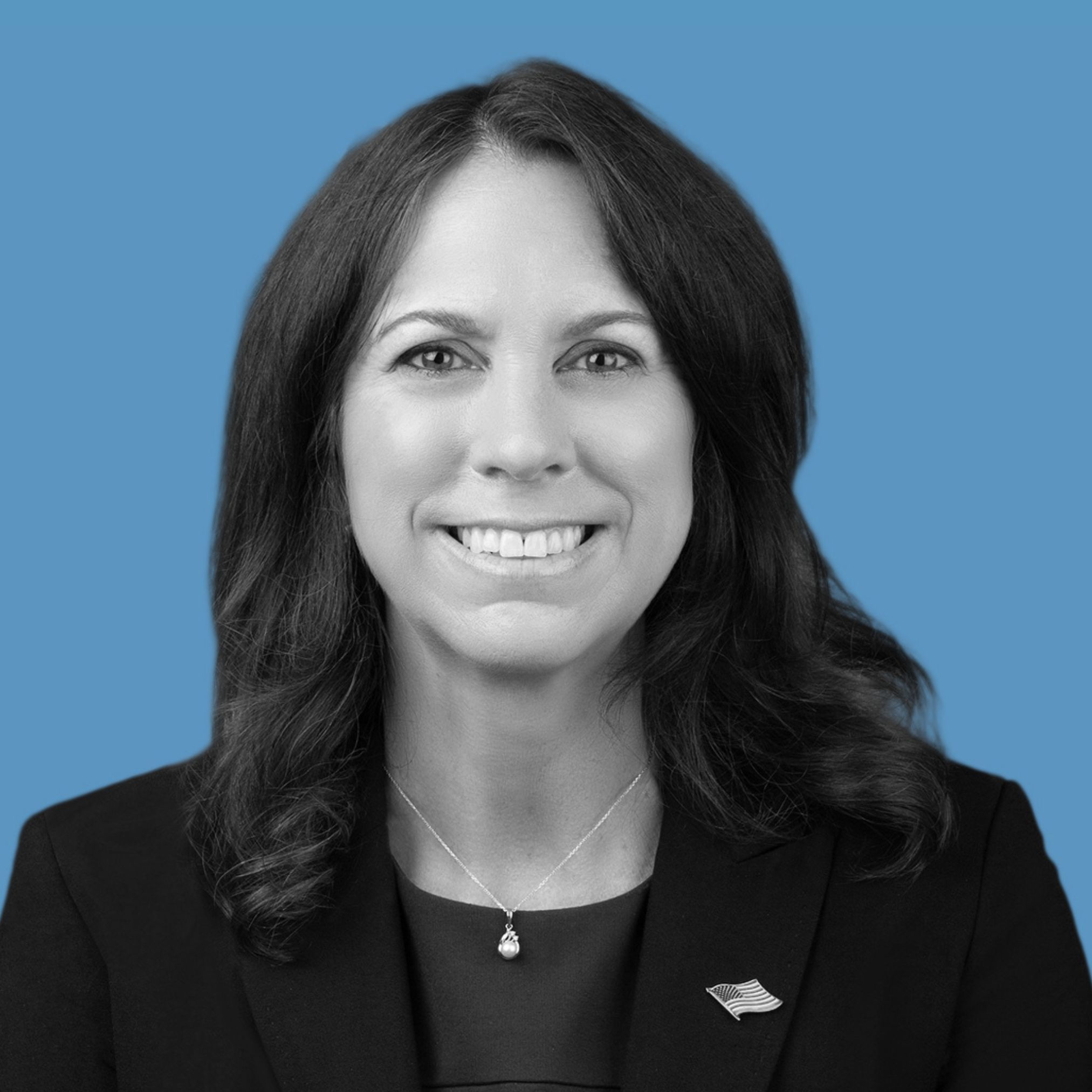
DR. COLLEEN J. SHOGAN is a Senior Fellow in Civics Education at Stand Together and a Senior Advisor at More Perfect. She served as the 11th Archivist of the United States.