Tocqueville and the Tidal Wave of Democracy
Susan McWilliams Barndt considers Tocqueville’s first steps on American soil. We may never know what he was thinking, she suggests, but we live in the future he imagined.
October 15, 2026
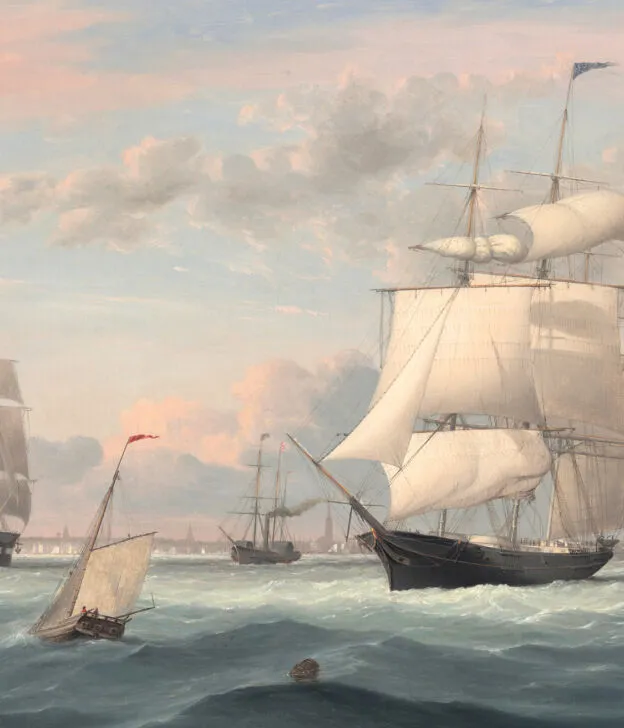
The ocean must have felt like an omen. On May 11, 1831, the waters off New York harbor were hard to predict. Violent winds were coming up from the south, local diarists such as farmer Nicholas Gesner reported, tearing boat sails and pushing up terrible swells. But nearer to the land, the seas were calm, and the air was warm.
We don’t know what Alexis de Tocqueville was thinking when he stepped off a boat and onto the American shore that day. But he was surely taking it all in, trying to sort the mixed signals out. Tocqueville was just 25 years old, but he was determined to figure out what made the United States tick. Like the waters off its coast, the new nation felt powerful but unpredictable.
A child of France who had grown up in the shadow of the Revolution, Tocqueville saw democracy transforming the world.
Democratic principles were like a steamroller, vanquishing kings and annihilating feudalism and changing everything they touched. It felt like God Himself had an agenda to push, and democracy was it.
The United States was the proving ground of all that democratic energy. It was the place where modern democracy was most fully realized. Tocqueville went to America to do more than to see the sights. He went to America to see the future.
We live in the future that Tocqueville imagined. It has been almost two centuries since Tocqueville visited the United States and wrote his epic Democracy in America. He died two years before the first shots of the Civil War were fired at Fort Sumter. So much about our country has changed since he saw it. But Tocqueville was thinking ahead of his time, and he has a lot to say to ours.
Back then, Tocqueville saw something about Americans that we can still see today, whether we’re in a crowd of people on the streets of Manhattan or in the crowd at a NASCAR race. Americans like to go fast. We have a lot of energy. Americans are a restless people, Tocqueville said. We move around a lot. We’re always looking for the next new thing.
Why? Tocqueville thought the answer was clear. It’s democracy. Democracy gives people the sense—the hope—that we can improve our position. In an aristocratic society, your position is fixed. Your family’s fate is yours. You have little incentive to look beyond what you have been given. But in a democratic society, your position is not fixed. You have a lot of incentive to think about who you want to be, not just who your ancestors were. Democracy encourages us to be strivers, to chase our dreams, to imagine that we can be—as generations of American parents have told their children—anything we want to be.
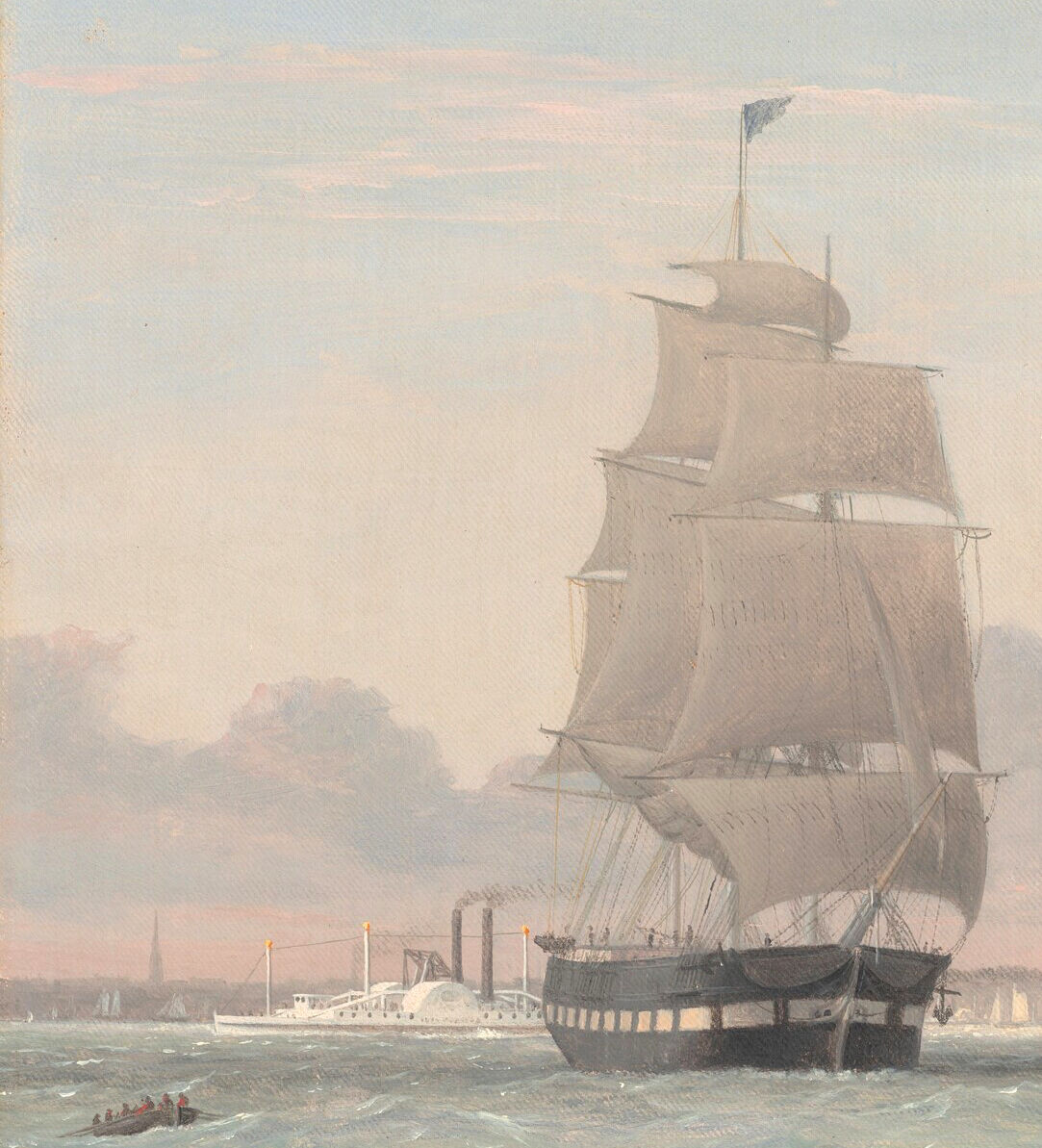
Tocqueville saw democracy transforming the world. Democratic principles were like a steamroller, vanquishing kings and annihilating feudalism and changing everything they touched.
That restlessness has a lot of positive effects in American life. It creates entrepreneurial energy and commercial activity. It encourages a spirit of invention and innovation. It makes us forward-thinking. Americans are hustlers and movers and shakers. Our population is always churning. We don’t have to be stuck in toxic relationships because we’re not stuck in aristocratic castes. We are always meeting new people and confronting new ideas, which creates new possibilities.
There are down sides to all that mobility, of course. American life can feel frantic. When everyone is running around and trying to improve themselves, it is easy to feel dissatisfied with what you have. It’s easy to feel left behind. It’s easy to have FOMO. It’s easy to get caught up in status games. A restless nation is often an anxious nation. Plus: If you are always picking up and going somewhere else, you are going to feel unsettled. Meeting new people and encountering new ideas can be exciting, but it can also be exhausting. It can even be scary. When the faces around you are constantly changing, it can be hard to know who to trust. Life in the United States can be lonely.
In other words, Tocqueville would not at all have been surprised by a lot of things that mark ordinary life in the United States today: our great medical and technological advances, our diverse range of musical styles and forms, our commercial ascendency, our celebration of “changemakers” and “disruptors,” our love of automobiles, our self-help industry. He would not have been surprised by house-flipping or doomscrolling or “influencing.” And he would not have been surprised by our high rates of anxiety, loneliness, and social distrust.
For Tocqueville, democracy was like a Pandora’s box. Once opened, it was never going to be shut. So his big question became: How do Americans harness all the good energy and potential that comes with democracy, and how can Americans limit democracy’s worst effects on our well-being?
Tocqueville’s greatest insight is that Americans do best when Americans come together. Tocqueville didn’t mean that in some abstract, kumbaya, think-good-thoughts way. He meant that Americans do best when we find opportunities to spend time with our friends and neighbors. Bonus points go to groups that meet regularly: religious congregations, sports leagues, book clubs, unions, sewing circles, and so on. When we hang out—whether it’s on our front lawns or in barbershops or at the dog park—we help to ground each other’s lives. Spending time with each other helps to slow us down. It counteracts the centrifugal forces of the culture. It can help us feel less lonely.
My students often laugh when I tell them the best way to save the republic is to throw a party. But Tocqueville would back me up on that. Cultivating the “arts of association,” he said, is key to American success. We only learn how to live together by spending time together. You can’t get a civic education behind a screen.
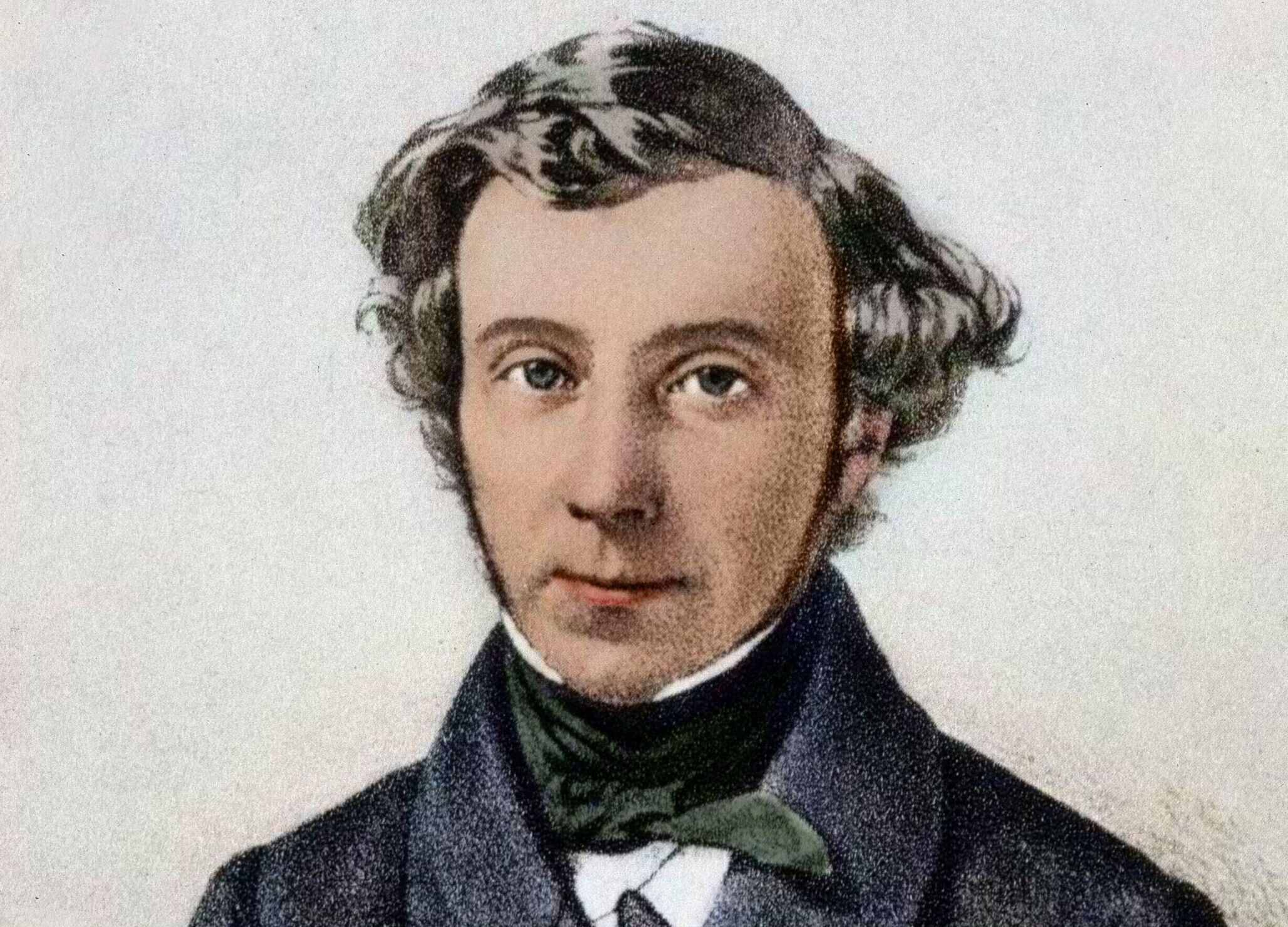
Tocqueville didn’t think that realizing the American dream—of being a nation where equality and liberty and justice really do exist for all—was a given.
Those kinds of associations can also strengthen the power of localities and municipal governments. Tocqueville knew that in a nation as big as the United States, our federal government would often feel distant and disconnected. He saw that Americans were going to have lots of reason to feel alienated from or hostile to the powers in Washington. But he thought we could counteract that—to some degree—by cultivating powers closer to home. He celebrated jury duty, local newspapers, firefighting societies, and town meetings. Through those smaller-scale institutions, we can truly make ourselves heard and realize the dream of self-governance.
American political leaders often quote Tocqueville. In fact, every American president from Eisenhower to Trump has invoked his name. Usually, those quotations make Tocqueville sound like a cheerleader for our country. You’ll often hear people attribute to Tocqueville the line that “America is great because Americans are good.” He didn’t say that. Tocqueville was not a simple flag-waver. He was something much more important. He was someone who saw America’s promise but kept his eyes on America’s potential for peril.
Tocqueville didn’t think that being an American was easy. He didn’t think that realizing the American dream—the collective dream, of being a nation where equality and liberty and justice really do exist for all—was a given. He thought hard, for his own time and ours, about how we could realize the better angels of our democratic nature.
Today, it is so easy to feel overwhelmed by the great and impersonal forces of our time, forces that stoke our feelings of disconnection and grievance. Tocqueville saw those coming. But he also saw what we should try to see today: that we can help realize our nation’s highest ideals in our everyday actions. Democracy in America, now as then, has its waves and terrors. But we can, if we choose, fight its harsher currents. We can create safe harbors, even when the winds are fierce.
About the Author
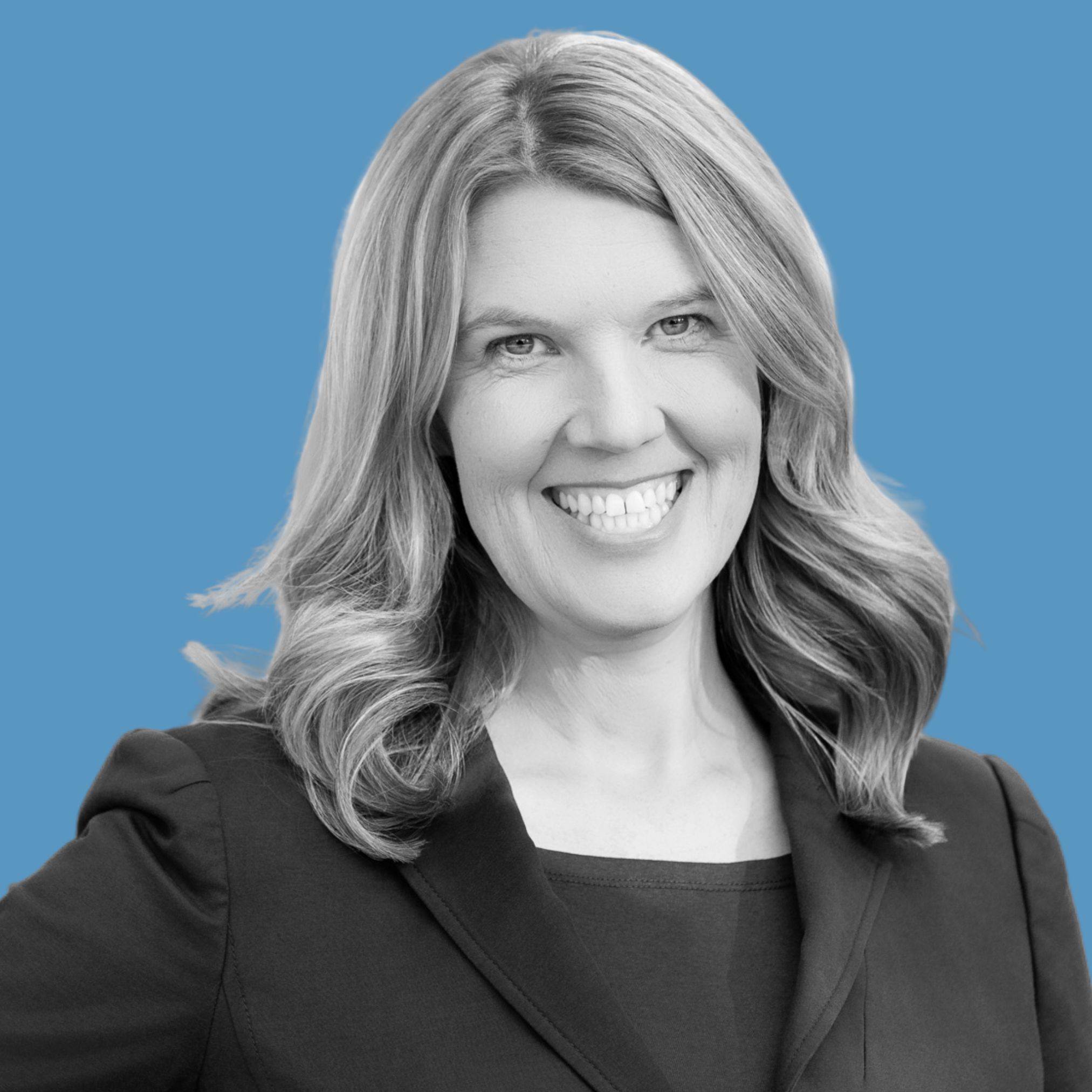
SUSAN McWILLIAMS BARNDT is a professor of government at Claremont McKenna College. She earned her Ph.D. in Politics from Princeton University and is an expert in classical and modern political theory as well as American political thought.