

An interview with Blake Ball
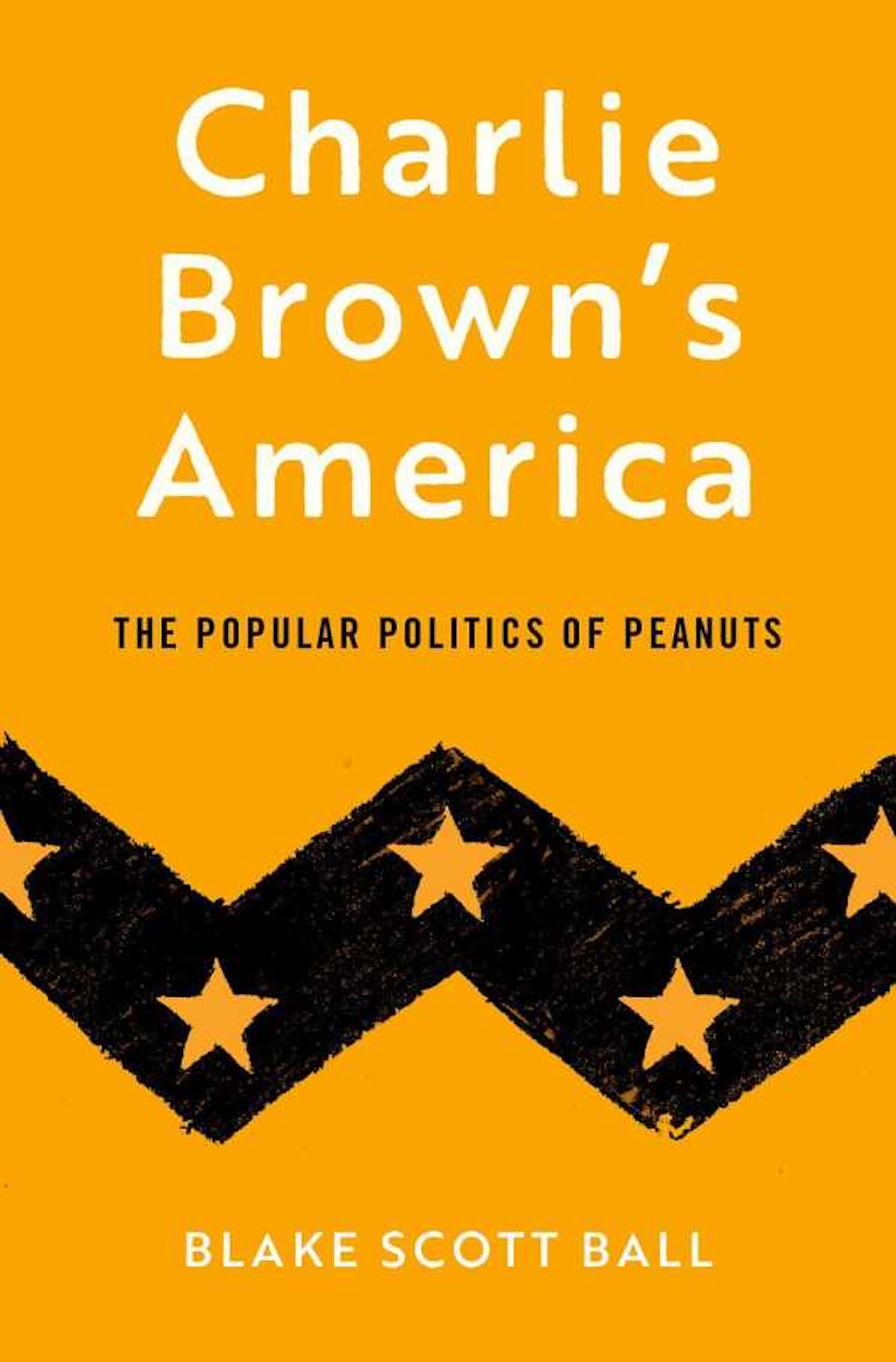
JMC Resident Historian Elliott Drago sat down with JMC network member Blake Scott Ball to discuss his work on Charlie Brown’s lasting influence on American political culture. Dr. Ball is Associate Professor of History at the University of North Alabama.
February 24, 2026
ED: What inspired you to become a historian?
BSB: I had always had an interest in history growing up. One of my favorite things to do at the beginning of the school year was to take the new social studies textbook and start reading because I knew we would (sadly) never get to the end of the book in class. What really inspired me to be a historian was a professor I had when I was in an early college program my senior year of high school. Dr. Larry Nelson had a passion for American history, a love for the founding principles, and a heart for teaching young people. It was a life-changing experience. He was also the first person in my life to identify the talents I had for writing, teaching, and research. Great educators inspire the next generation of great educators!
ED: What is your area of specialty, and what sparked your interest in that topic?
BSB: I study twentieth century America and American political culture. This is really the confluence of interests I’ve had my whole life. I’ve always been amazed by the way that the United States emerged out of the Civil War as a largely agrarian society and rocketed onto the world stage as a leader in industry, technology, art, literature, and learning by the twentieth century.
The American story really is an exceptional one that serves as a beacon to humanity about the true potential of human peace and prosperity. I particularly love studying popular culture and the ways it reflects human experience. I think popular culture is so important because it is a space where we often feel most free to be ourselves and reveal our hopes, fears, dreams, and ambitions. You can learn a lot about a people from their art, music, and literature.
ED: Can you share a few insights into how Charles Schulz conceived of Peanuts? Did his conceptions of the comic change over time?
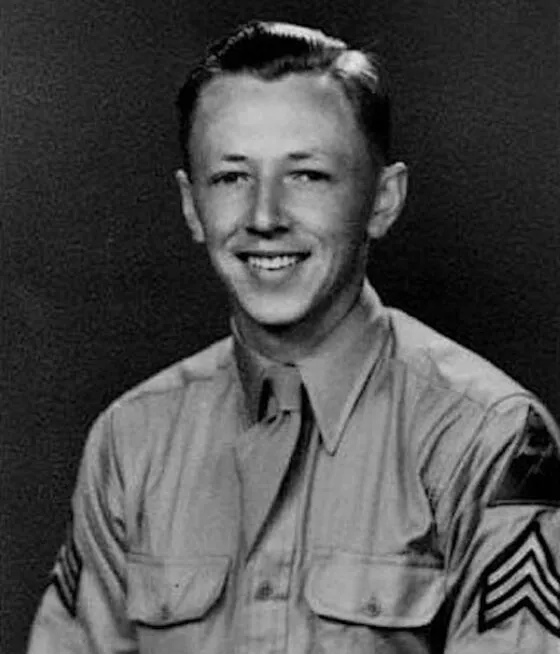
BSB: Charles Schulz always wanted to be a cartoonist. When he was drafted into World War II in 1942, he carried a sketchbook with him that he filled with cartoons of daily life in the Army. When he came home in 1945, he figured he would continue drawing stories of the war, but his fellow cartoonists noticed his skill in drawing children and encouraged him to pursue it. His first published comic strip was called L’il Folks and ran for two years in St. Paul, Minnesota. Peanuts was originally a reworking of those single panel cartoons into a comic strip. It began running in national papers in 1950 and continued until his death in 2000.
Peanuts and the baby boom
BSB: The success of Peanuts owed initially to its resonance with parents of the “baby boom.” Readers could see their children in Charlie Brown and all his friends. Baby Boomers were the first to really fall in love with Snoopy and his expanding fantasy world. The heart of Schulz’s art was the emotional depth. It was ultimately a story of building a community (odd as the members may be) and navigating the highs and lows of life together with humor and dignity. Schulz particularly liked to reflect on issues of faith in the early decades of his strip. In the later decades, he was increasingly interested in American history, especially the American Revolution and World War II commemoration. Both topics became a frequent part of Snoopy’s imaginary adventures in the 1990s. Schulz always believed that as an American celebrity, he had an obligation to reach a broad, diverse audience and provide a positive model for American children.
ED: When you compare Peanuts to other comics from other countries during the same period, which qualities would you say made Peanuts quintessentially American? Similarly, within the Cold War context, could the USSR have published a similar comic?
What is quintessentially American about Peanuts is the freedom and sense of responsibility at its core.
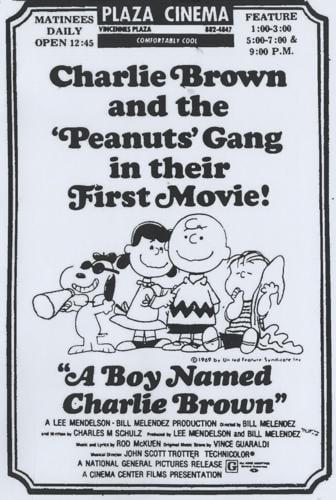
BSB: Charlie Brown and his friends were free to enjoy all the joys of postwar prosperity in the United States. They played baseball, went to summer camps, played music, enjoyed playgrounds, participated in church nativity programs, read comics, watched TV, and looked out for one another. Each child was free to be themselves, from Lucy’s bossiness to Linus’s neurotic obsession with his security blanket to Pigpen’s love of playing in the dirt. During the Civil Rights Movement, the Peanuts gang even welcomed the first leading black character in an American comic strip, Franklin, into their neighborhood and classroom.
The stories of Peanuts were really reflections on what it was like to live in Cold War America. Peanuts was always pro-American, but also always free to criticize shortcomings in the United States. And it was a monumental success. Schulz became the most widely published and highest paid cartoonist of all-time. Peanuts was beloved not just in the United States, but all over the world, even in many places where the freedoms of Charlie Brown and his friends were only an aspiration, not a reality. The truth is, in a government-directed command economy like the Soviet Union, such a seemingly frivolous use of resources like a comic strip would never have received approval. Charlie Brown and Snoopy owed their success to the free artistic expression and free economy of the United States.
ED: Explain to the readers why bringing together politics and popular culture is such a valuable way of understanding the past.
BSB: Popular culture is where we go to sort of “let our hair down” and relax from the daily demands of life. It is a space where we feel at ease to reflect on the humor of both the good and the challenges of our lives. It is also targeted to be immediately relevant to present circumstances. This means that pop cultural productions like comic strips, television shows, or films can be a great time capsule of what was funny, inspiring, scary, or disappointing for any generation.
Politics is a regular part of American popular culture, sometimes subtly and sometimes overtly. It is a reflection of our democratic system where everyone in society has an equal say in the major decisions of our country. Every voice matters in our democracy and popular culture is one prominent space where we express our voices freely.
Snoopy…in space!
ED: What was your favorite research rabbit hole, and why?
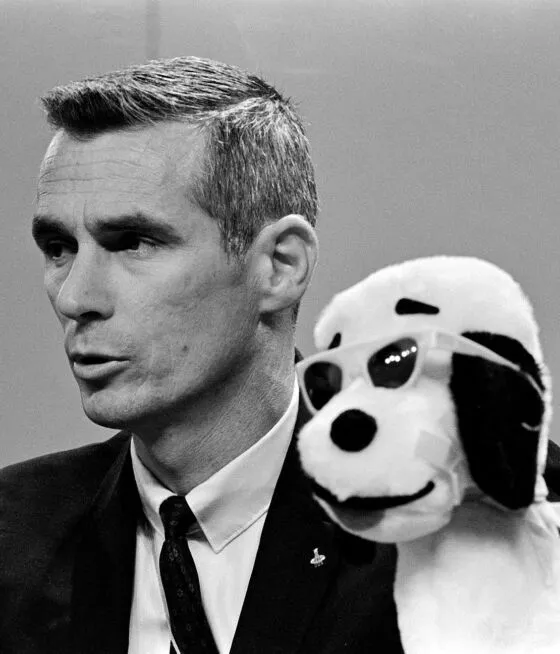
BSB: One of my favorite rabbit holes in my research on Peanuts was learning about all of the different Snoopy products—licensed and unlicensed—from across the years. By the 1970s, Snoopy was the most famous character in the comic strip and he appeared everywhere, from the amusement park at Knott’s Berry Farm to home Sno-Cone machines to military unit badges to NASA’s Apollo space program.
BSB: One of the most fun places that Snoopy showed up was in countless homemade miniature aircraft featuring Snoopy as the World War I Flying Ace flying atop his doghouse. This story even continues today as Snoopy is one of the most popular cartoon characters among Gen Z. I love Snoopy as a character and it is amazing to see all the adventures he has gone on over the past 75 years.
ED: What’s one thing you wish everyone knew about American history?
BSB: One of the most important things that I wish more people understood about American history is just how unique our experience is in human history. For a place this large, powerful, and prosperous to also be so free, peaceful, and politically equal is unparalleled in the thousands of years in human history. It certainly isn’t perfect because it is human, susceptible to our own fallibility, but it is the greatest civilization the world has ever produced. This is something that we should treasure as a blessing we are very fortunate to have inherited. It is also something we should guard and strive to pass on intact to the generations to follow us.
ED: What has your scholarship taught you about America’s founding principles and history?
BSB: My research has taught me just how unique and essential the rights enshrined in the First Amendment of the Bill of Rights are. Our freedoms of speech, press, religion, and assembly have fostered a society that has the ability to openly discuss our challenges, teach our values, and laugh about our quirks in a way that many societies would never allow. It also means that regular people get to decide what matters. Despite the common narrative that somehow corporations dictate to us what is popular, the truth is that Americans pick and choose the winners in our popular culture. Sometimes those winners come from the most unexpected places, like the story of a nervous, bald-headed little boy from Minnesota who struggles year after year to kick a football.
ED: Thank you for your time!
Dr. Elliott Drago serves as the JMC’s Resident Manager of Network Engagement & Resident Historian. He is a historian of American history and the author of Street Diplomacy: The Politics of Slavery and Freedom in Philadelphia, 1820-1850 (Johns-Hopkins University Press, 2022).