
An interview with Christopher Curtis
JMC Resident Historian Elliott Drago sat down with Jack Miller Fellow Christopher Curtis ’08 and his research on religious freedom during the colonial era. Dr. Curtis is a Professor of History at Georgia Southern University.
December 16, 2025
ED: What inspired you to become a historian?
CC: I grew up in Northern Virginia in the shadow of the Smithsonian Museums and in the vicinity of numerous Civil War Battlefield Parks. These places were frequent playgrounds for me when I was young. We would make family excursions to them fairly regularly. I spent more than a few winter Sunday afternoons in the Smithsonian but also had a particular fondness for the battlefields—mostly because I could run around, charge up hills, and sit on cannons. The familiarity developed into a curiosity about the Civil War that informed my reading through high school and university, as well as during my time in the Marines.
ED: What is your area of specialty, and what sparked your interest in that topic?
CC: I am most interested in learning how the liberal political ideas of the seventeenth and eighteenth centuries were transformed into the governing technology of liberalism during the nineteenth. My scholarship has focused on the legal and political history of property rights as an instrument of this transformation. As a graduate student at Virginia Tech, I wrote my Master’s thesis on the 1832 Virginia slavery debate and discovered from the speeches made during the debate that delegates expressed diverse and competing ideas of property. There was no consensus regarding a proper legal definition or foundations of ownership; our modern, liberal conceptualization of an individual, private property right was by no means fully recognized more than five decades after American independence. Trying to make sense of that historical process led to my dissertation research at Emory University on the changing legal conceptions of land and slave ownership, which eventually found form in my first book, Jefferson’s Freeholders and the Politics of Ownership in the Old Dominion.
ED: Tell us a little bit about your current project.
CC: My current book project, Spiritual Dispossessions: Episodes in the Establishment of Religious Freedom, examines the history of the disestablishment of the Church of England across the lands of the British empire. It examines the desacralization of government and the establishment of religious freedom—cornerstone principles of Anglophone liberalism—that occurred through locally discrete judicial processes by which the laws governing spiritual properties were disallowed, and colonial churches were dispossessed. My study begins in the more familiar environs of Virginia but then looks at other episodes of dispossession in New South Wales, Ireland, Jamaica, Upper Canada, and, ultimately, the Cape Colony, where the question of the status of the colonial church was determined. In 1863, in rejecting the authority of the Bishop of Cape Town to remove a subordinate priest, the Judicial Committee of the Privy Council ruled that the Church of England was not “established, by law” across the empire and it could only function as a voluntary association in those colonies with legislative authority.
My focus on these contests over church property—the sequestration of glebe lands, the repurposing of spiritual endowments, the extinguishing of tithes, and the repudiation of episcopal visitorial authority—thus situates the history of colonial disestablishment alongside more familiar stories in the development of liberal property rights such as the enclosing of the commons, the Scottish land clearances, the eradication of indigenous property use, and the abolition of slavery. And it provides a materialist perspective that reveals some of the mechanics by which the idea of religious freedom became ascendent as the new spiritual establishment of liberal governments.
ED: Many Americans know about the contentious relationship between the British empire and its American colonies, but not so much about how this relationship functioned in other parts of the empire. Tell us about this fraught relationship in terms of your area of study.
CC: One advantage of studying the history of religious freedom from an Anglo-centric perspective is that it enables a reconsideration of aspects of the American Revolution within a larger narrative of the British Empire as an agent in the development of liberalism. Studies of religious freedom focusing exclusively on a national experience can only tell a fraction of the story. In the case of the United States, for example, scholars lean heavily on the Virginia Statute for Establishing Religious Freedom and First Amendment as evidence of disestablishment being a natural expression of the republican principles that emerged from the Revolution.
But republican revolution was not a necessary pre-condition for religious freedom. The movement toward dismantling the confessional state and embracing denominational pluralism occurred throughout the empire. And, as had been the case in the former North American colonies, the issues driving this transformation were typically more local than they were imperial.
The imperial government arguably exercised its hand most heavily in both Canada and New South Wales, where it implemented orchestrated plans to endow Anglican establishments by setting aside one-seventh of all surveyed Crown lands to build parish churches, parsonages, and provide glebe lands in addition to generating revenue through leases. In the Canadian colonies alone, these Clergy Reserves accounted for more than 2.4 million acres of endowed lands. Yet these establishment schemes were frustrated not by resistance to imperial oversight but by existing legal, economic, and, in some instances, personal relations within the settlements themselves.
In New South Wales, for instance, archdeacon Thomas Hobbes Scott managed to overplay his hand repeatedly as the senior cleric in the colony, and he frequently became engaged in personal litigation that undermined his authority and, ultimately, the design for a church establishment there as well. In the most spectacular instance, Scott removed a Sydney newspaper editor from his rented church pew—likely out of spite for some scathing editorials—and prevented his repeated efforts to return before eventually having him arrested for trespass. When the case came before the colonial Supreme Court, however, it was determined that since the particular church in question had been built by convicts well before Scott had arrived in the colony. He could not, therefore, possess the patronage over it—despite the broad powers given him by letters patent—and thus did not have clear authority to remove the newspaper editor and his family from the pew. Scott resigned soon thereafter but it left the plan for endowing a church and school establishment in disarray.
My book is grounded in diverse case stories such as these. In Ireland, the principal problem was collecting tithes to support a Protestant establishment from a Catholic population, while the South African cases focused on the authority of an appointed Bishop to remove his clergy. Similar issues had plagued the American and West Indies colonies during the eighteenth century and, indeed, the Privy Council’s 1863 ruling in Long v. Bishop of Capetown echoed the arguments made by Richard Bland during the “Parson’s Cause” controversy over the Two-Penny Act in Virginia.
Religious freedom, emerging initially out of the “republican moment” of the American Revolution was not something distinctive to the American experience, but recurred in various guises across the time and space of empire.
ED: How would you explain the “Anglican confessional state” to non-specialists, and how does understanding that phrase better contextualize the history of religious freedom?
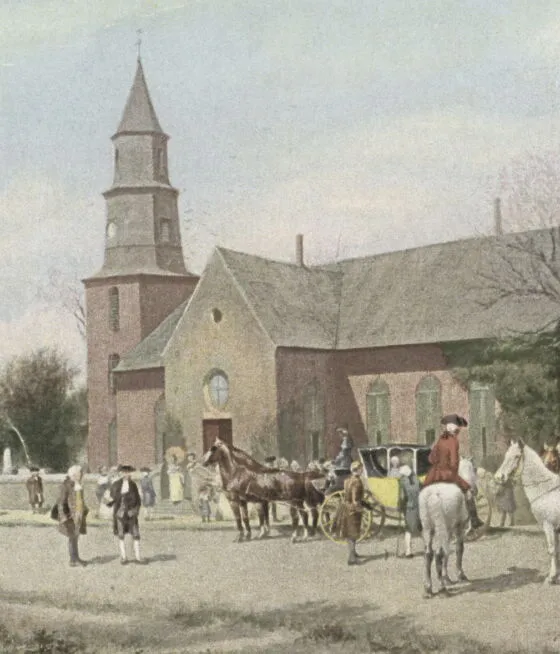
CC: The confessional state—or, perhaps better yet, the confessional regime, emerged from the religious wars in Europe during the sixteenth and seventeenth centuries. It was designed foremost to keep the peace but, at its core, remained grounded in the fundamental belief that government had an existential responsibility for the spiritual welfare of its people through the communal church. In its Anglican form, the confessional regime was both Protestant and Episcopal in theology. Most people are familiar with the King serving as the head of the Church of England—especially given the popularity of TV shows like the Tudors and Wolf Hall, but the most immediate and familiar agency of government for the people was the local parish church. Parish churches were not simply a building to worship in, but a public agency that provided essential community services as well as spiritual liturgies.
Parish churches as public agencies
Most notably, parishes were charged with providing relief for widows, orphans, and the poor, but they managed other local (parochial) issues as well. In colonial Virginia, the parish was even responsible for the inspection, validation, and recording of individual landholdings through regular land processions conducted by the parish vestry. These community programs along with the maintenance of church properties and compensation for the parish rector were provided through the obligatory payment of tithes. Thus, long before Henry cast his first lustful glance at Ann Boleyn, these parish churches were “established by law” through the English common law.
This entire system was upended during the late eighteenth and nineteenth centuries. The abandonment of the political commitments and structures of the confessional regime, and their replacement with the alternative belief that religion was foremost a private matter and that an individual had a “property right” in their personal spiritual beliefs was, quite arguably, one of the most significant social transformations marking the modern world.
ED: Besides the overarching tensions between the imperial core and the colonial periphery, what sort of debates over the proper scope of imperial authority and established churches arose within the colonies themselves?
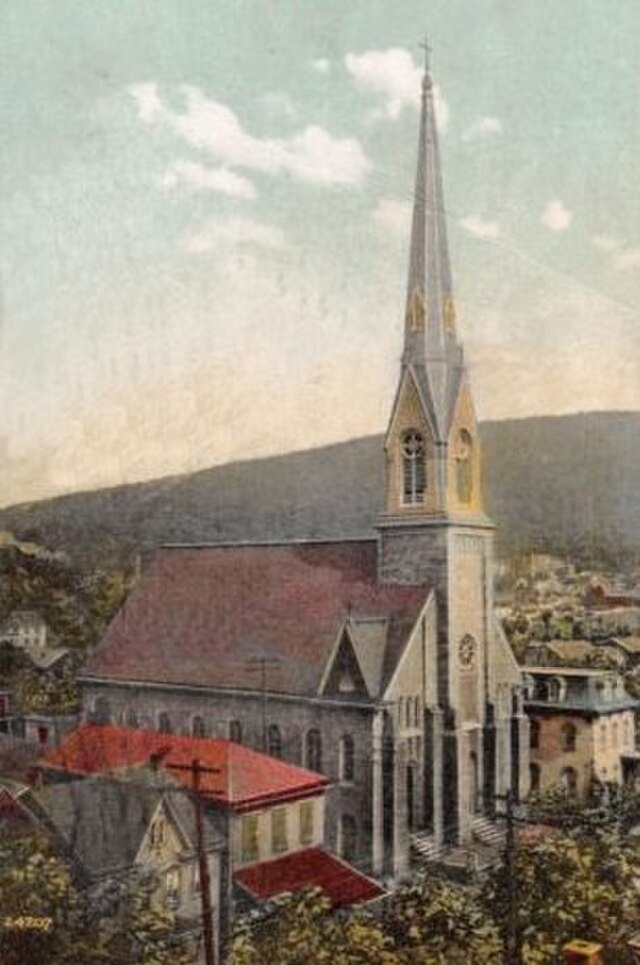
CC: Throughout the centuries of migration, British settlers clearly carried the theological and historical constructs of the established church with them. Colonial clerics professed themselves to be its official representatives of the Church of England in the new environs of empire; they received ordination from Church bishops, drafted policies and procedures like those practiced in England, and, in most instances, conducted their liturgy in accordance with the Book of Common Prayer. Parishioners attended divine services, were married in the church, baptized their children and buried their dead in accordance with the familiar practices of the Church of England.
Ecclesiastical authority in the Church of England was grounded, however, in the landed property rights of advowson. The rights of advowson derived from the original donation of land for spiritual use, and it was through this model that the church was established by law in England. Advowsons determined the rights of patronage, which, in turn, located the authority over things like clerical nomination, investiture, and visitation. In England, these were usually customary rights—oftentimes stretching back to “time immemorial”—and thus they could not be readily transposed onto the newly lands of the colonies.
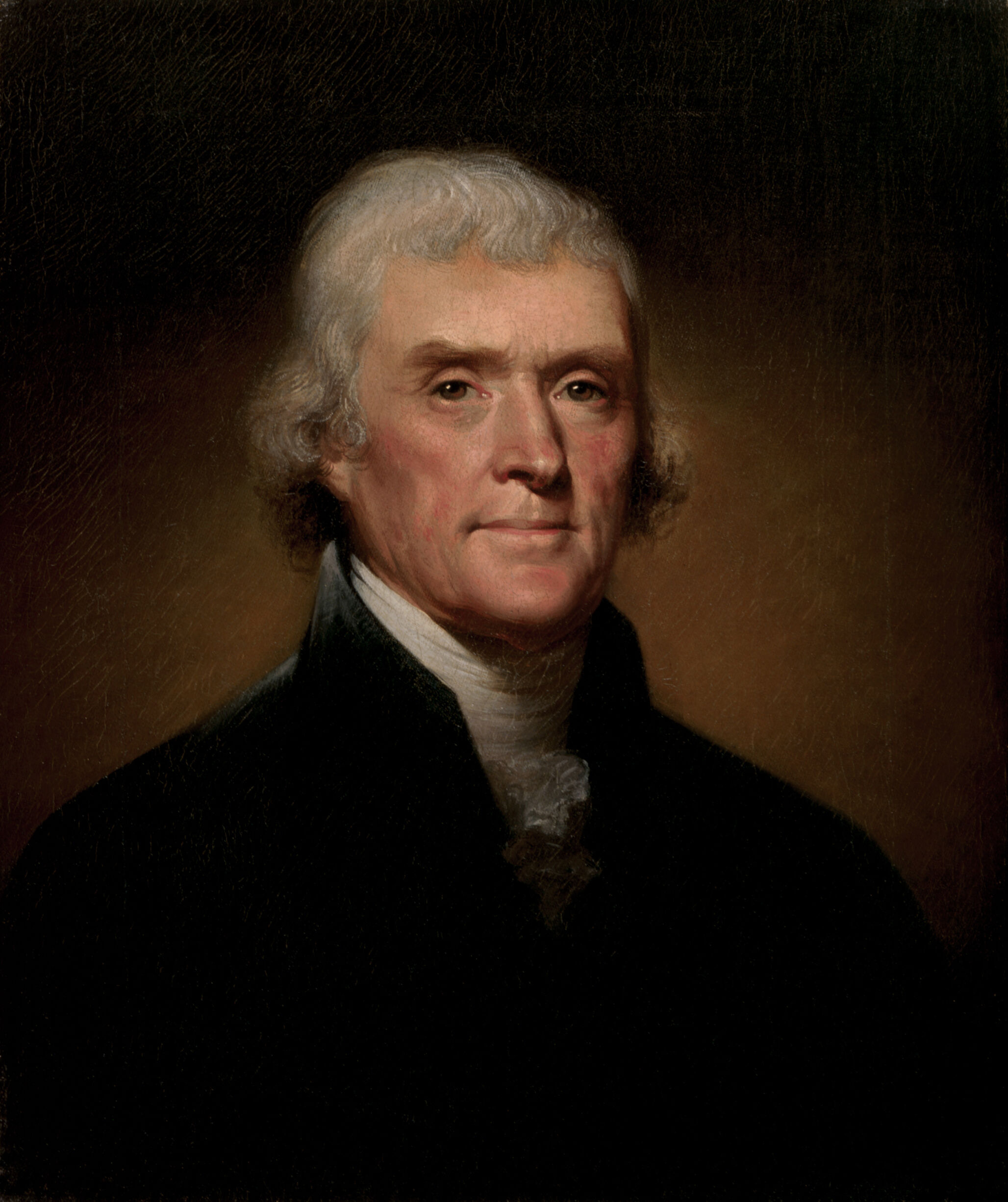
Thomas Jefferson made a strong effort to apply this advowson model to the church in Virginia. In 1771, as part of his legal argument in Godwin, et al v. Lunan, he conducted a detailed and very learned exploration of the common law to support a parish vestry’s efforts to remove an offensive priest. Jefferson’s efforts were representative of those made by other colonial magistrates seeking to understand how a church might be established by law beyond its native lands. In Ireland, the question of Protestant authority proved vexing to the point of the Church of Ireland being incorporated with the Church of England through the 1801 Act of Union.
Over time, the growth of religious freedom on the colonial periphery (to include Ireland) ultimately undermined the core church establishment in England as well. So we see, in this instance, the agency of colonial institutions on the periphery informing the fate of the mother church in the English metropole.
ED: From the American South to Canada and Cape Colony, you ground your research in primary sources from an empire upon which “the sun never set.” How did you amass your source material, and how many frequent flyer miles did you accrue?
CC: I have been truly fortunate in my opportunities for archival research. Admittedly, many of the relevant court reports have been digitalized and are accessible along with some other primary source collections. Most recently, however, I benefitted from the tremendous generosity of the Georgia Southern Research Foundation in serving as the inaugural Georgia Southern-Wexford Research Professor. I spent more than two months in Ireland and London and was able to research at the Irish National Library, Trinity College, Lambeth Palace Library, and the UK National Archives. I was also particularly fortunate to be allowed unrestricted access to the Christ Church (Waterford) Cathedral library collection that is housed in the special collections of the Luke Waddington Library of Southeast Technological University, our collaborating partner university in Ireland. It was a wonderful experience, and I am still swimming in the archival material.
ED: What advice would you give to a young history student embarking on their first research project?
CC: Relish the history you learn through the archival and material sources. The serious study of history is always a humbling process. Embracing your ignorance—no matter how much you have read or even written on a subject—allows you to experience the joys of discovery and revelation.
Whenever you leave the archives feeling a little embarrassed about learning something that “you ought to have known already,” that is a good day of research.
ED: What has your scholarship taught you about America’s founding principles and history?
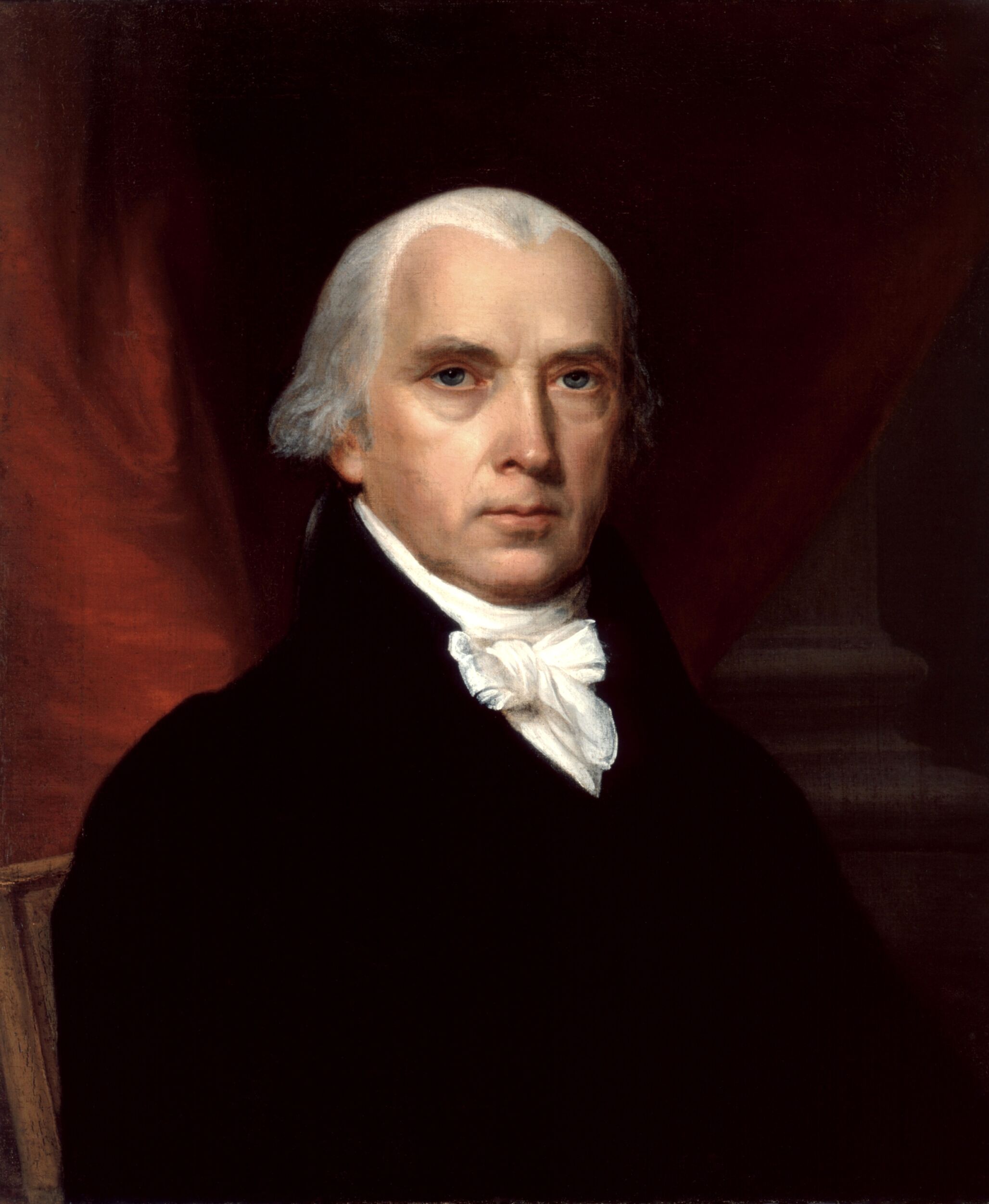
CC: That I still have a lot to learn about them. As a historian, it is important to distinguish between the wonderfully chaotic events of the founding period and the subsequent emergence of a construction of founding principles, which we can trace to the academic professionalization of law, politics, and history during the late nineteenth and early twentieth centuries. A set of founding ideas became necessary to support the ideology of national liberalism that came to prominence after the Civil War. The writing of national histories became a cornerstone of this project. So, to study the history of the founding of the United States, it is often necessary to work through the constructed mythologies of nationalism to reimagine the decisions and the actions taken by the statesmen who created the federal union in their appropriate historical context.
Fortunately, a lot of good historians have engaged this challenge in recent decades, and we can learn a lot from their work. It is my hope that my study of spiritual dispossessions and religious freedom will offer a contribution to this project. To better understand the significance of the American “founding,” I would like to push the discussion of religious freedom beyond the simple trope of Jefferson’s “wall of separation,” and offer a richer understanding that helps explain the complicated historical relation between Christianity, the common law, and liberal government.
ED: Thank you for your time and service!
Dr. Elliott Drago serves as the JMC’s Resident Manager of Network Engagement & Resident Historian. He is a historian of American history and the author of Street Diplomacy: The Politics of Slavery and Freedom in Philadelphia, 1820-1850 (Johns-Hopkins University Press, 2022).