An interview with Daniel Ruggles
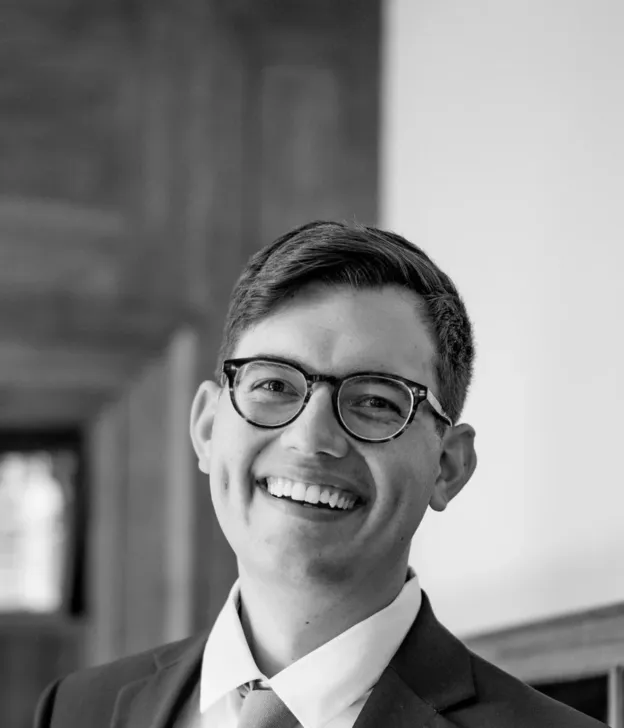
JMC Resident Historian Elliott Drago sat down with JMC network member Daniel Ruggles to discuss his work on American Political Development and Young Americans for Freedom.
Dr. Ruggles is Visiting Research Scholar at the Gordon Center for American Public Policy at Brandeis University. He earned a Ph.D. from Brandeis University, and specializes in social movements and American political development.
March 24, 2026
ED: What inspired you to become a scholar?
DR: I’ve always been fascinated with politics and political questions, trying to understand the “how” and “why” behind changes in our political world. Our politics are messy because they’re full of different groups of people competing for their share of power. I want to explain how these competitions play out over time—how people win and lose, and why this matters for our politics.
At a more basic level, I’m passionate about investigating how ideas and values shape our political reality. This is one of the reasons why I study political movements—groups of ordinary people who work together to make their interests heard. Many movements in American history have reached back to the values and ideas of our founders to make their claims, from the abolitionist movement in the 1800s to the civil rights and conservative movements of the past century. These are groups of ordinary people who have worked together to learn from and reinterpret the American tradition, shaping our policies and political society in the process. I think there’s a real value in understanding how these leaders and activists bring ideas to life.
ED: What is your area of specialty, and what first sparked your interest in that topic?
DR: I’m a scholar of American political development, a corner of political science that uses historical evidence to explain what we call “durable shifts in the governing order.” Basically, this means that I use information like interviews and documents to understand how groups think about politics and how they try to affect change. I think of American political development as a more specific kind of historical inquiry—I’m interested in not just what happened but how, and if we can see any patterns or constraints in these events across time. When we understand historical cases as building blocks of mechanisms, not just important dates and figures, we begin to see how events like movements, revolutions, and elections are processes that can recur in similar ways across time.
The modern conservative movement
DR: But that’s a pretty nerdy, under-the-hood kind of answer. While my research looks at movements, parties, and American political development more broadly, I spend most of my time studying the modern American conservative movement. Growing up in and around the conservative movement helped shape my view of conservatism as an important political tradition to study and understand, both for its ideas and its’ activists. Conservatives have shaped contemporary American politics in important ways, and I want to help more people understand not only what conservatives believe but how they’ve become so effective in shaping the Republican Party and our contemporary political landscape.
ED: What’s the most memorable firsthand account you’ve come across in your research?
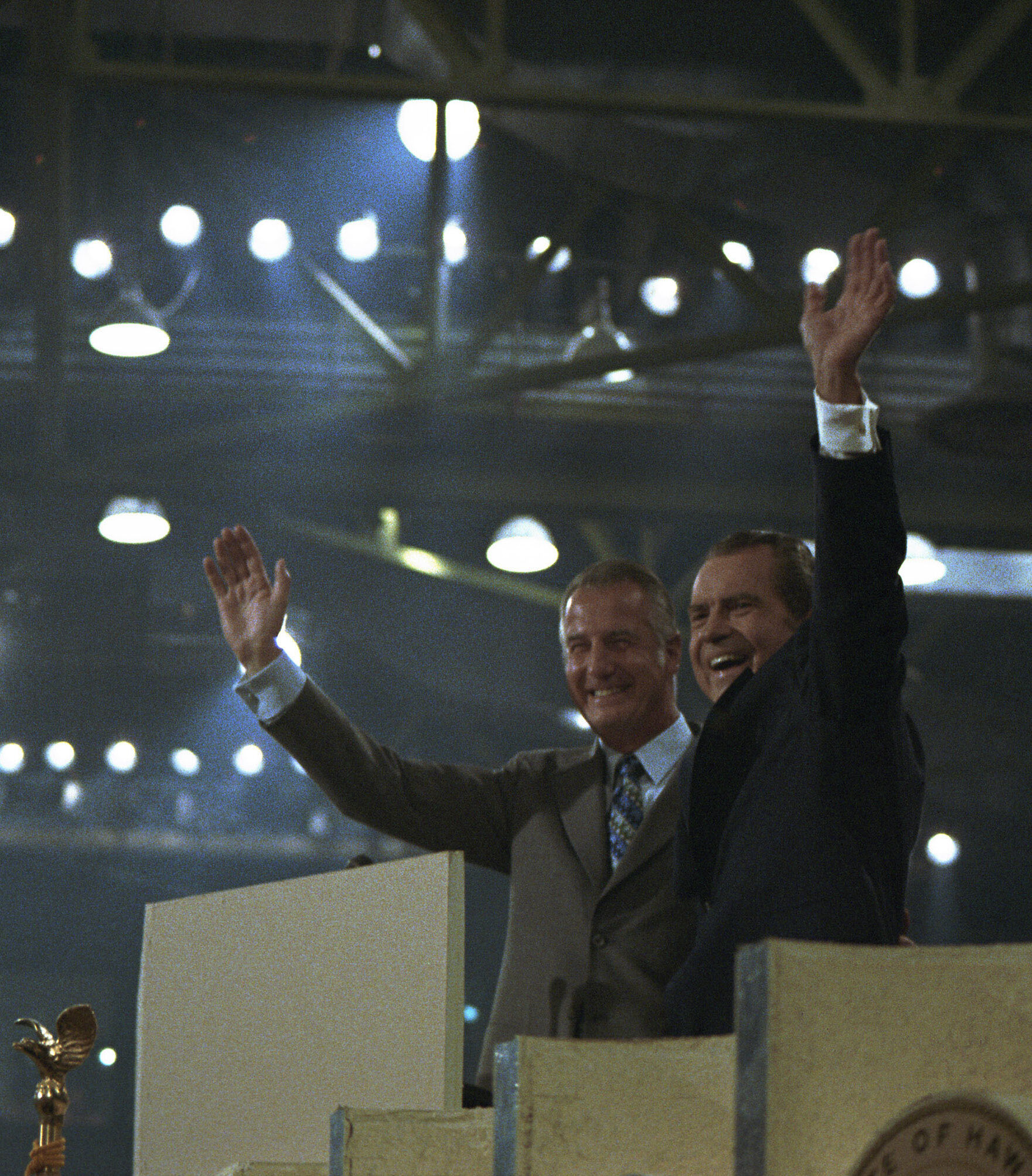
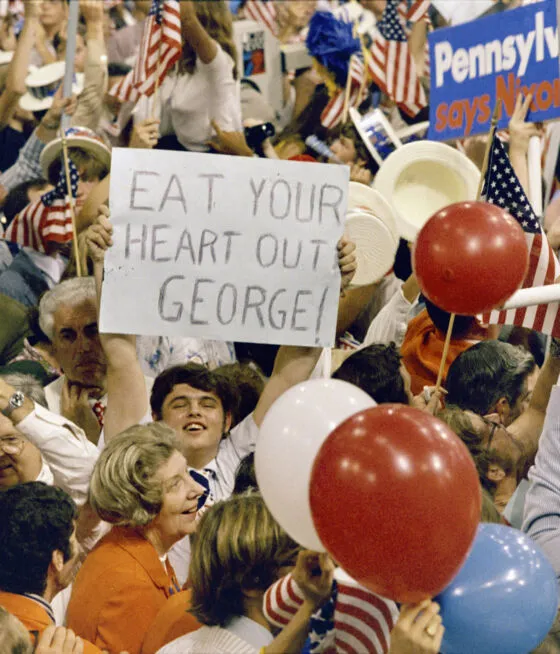
DR: One of the most rewarding parts of my job is discovering untold histories in the archives. Now, I probably haven’t made any paradigm-shifting discoveries yet, but there have been quite a few exciting moments in research. Probably the most fascinating collection I’ve worked in is William F. Buckley’s papers at Yale, where I saw just how involved he was in writing letters and coaching conservatives to become more effective activists. One of my favorite discoveries was a detailed report in Paul Weyrich’s scrapbooks at the Library of Congress of how young conservatives helped steer the 1972 Republican National Convention away from a delegate plan that would have made a future Reagan presidency near impossible. And then, there are countless memos and drafts from inside Young Americans for Freedom’s leadership that are so exciting—where they began to understand how they had a real voice in shaping the conservative movement.
I think discoveries through archives and interviews are thrilling, not just because old letters from famous people are “cool” (and to be clear, they are) but because they shed light on how we make meaning of important developments in American political history. Digitization efforts from major archives and libraries have made these resources even more accessible to student, which is a real benefit for those teaching American political history.
ED: How does your research shed light on America’s founding principles and history?
DR: We’re a nation founded on both conflict and compromise. My research looks at how competing social movements vie for a greater share of governing authority which, inevitably, requires looking at how our founders sought to create a system that would put competing movements against one another, resulting in compromises that preserve liberty and freedom. But none of this happens like a pendulum, swinging from one side to another with regularity and ease. My research shows both the granularity and complexity of conflict as well as the ways in which the institutions and principles of our founding shape how movements seek to shape our collective futures.
ED: What is one thing you wish every student knew about the American political tradition?
DR: Oh my word, I wish students would understand how exciting it is! Think about it—the American political tradition is the product of an incredibly radical and contentious movement that overthrew an oppressive colonial regime for the sake of liberty and justice. I think that, regardless of our political or ideological persuasions, we have a tendency to treat the American political tradition as backwards-looking—the sum of our past experiences. This is certainly not what the founders intended.
I think that, regardless of our political or ideological persuasions, we have a tendency to treat the American political tradition as backwards-looking—the sum of our past experiences. This is certainly not what the founders intended.
Our political tradition is not only one of making but remaking. Each new era brings its own conflicts and demands. We have new enemies and vices and face new challenges and opportunities. While our founders were neither omnipotent nor perfect, the Constitution’s careful balance of compromise, checks and balances, and conflict resolution has stood the test of time—even a civil war. When we take our political tradition seriously, we can better understand where we’ve been and how to chart a better path forward.
In sum, I wish every student would see the American political tradition as animated and contentious, the product of nearly 250 years of conflict, compromise, and camaraderie. We should not merely discard what is imperfect, nor should we hold blindly to our prior ways, instead turning to the American political tradition to promote a more just and free society.
ED: Thank you for your time!
Dr. Elliott Drago serves as the JMC’s Resident Manager of Network Engagement & Resident Historian. He is a historian of American history and the author of Street Diplomacy: The Politics of Slavery and Freedom in Philadelphia, 1820-1850 (Johns-Hopkins University Press, 2022).