

An interview with Jeffrey Rogg
JMC Resident Historian Elliott Drago sat down with JMC network member Jeffrey Rogg to discuss his book, The Spy and the State: The History of American Intelligence. Dr. Rogg is an incoming assistant professor in the Clements Center for National Security at University of Texas at Austin and associate director of scholarship for the Intelligence Studies Project. He specializes in military, diplomatic, and intelligence history, and earned his JD at Villanova University and his PhD in History at The Ohio State University.
May 7, 2026
ED: What inspired you to become a scholar?
JR: I’m not sure I’d consider myself worthy of that title yet! But I am a professional historian and academic, and neither of those were future roles I ever considered when I was an undergrad at Swarthmore College, just a short drive away from the Jack Miller Center. I was a Latin major and Ancient History minor, so my academic journey began with the foundations of Western civilization. I also had some amazing professors, including Jim Kurth, who was a former advisee, mentee, and dear friend of Samuel Huntington for forty years. Jim has been my mentor and friend for over twenty years now, and I still learn something in every conversation with him.
After Swarthmore, I graduated from Villanova University School of Law (also near JMC) and then enlisted in the military although an injury and a few surgeries stemming from playing college rugby derailed the career I had planned for myself. I discovered just how much I missed the classroom in my master’s program at Georgetown University although it was my experience teaching while I was a doctoral student in military and diplomatic history at The Ohio State University that convinced me I wanted to pursue a career in academia.
Looking back, my background and education is very much the product of Western civilization and the American civic tradition, so I want to pass that on to students, who really need those pillars now more than ever.
ED: What is your area of specialty, and what first sparked your interest in that topic?
JR: Although I have broad academic and historical interests, I specialize in American intelligence history. I discovered intelligence studies at Georgetown University’s Security Studies Program where I had to choose a concentration. I suppose I was drawn to intelligence studies for the same reason that espionage and intelligence fascinates so many of us—it’s just inherently interesting. People want to know what is going on behind the scenes in government and national security. I decided I wanted to shed some light on the shadowy world of intelligence, and it has been an amazing journey!
An intelligence community
JR: The academic study of intelligence benefits from having many former intelligence professionals join its ranks, so I think we do a pretty good job of balancing history and theory with policy and practice. Intelligence history is also a collegial and supportive field, especially for grad students and early career scholars. For example, I was still a PhD candidate when I attended the 2019 Society for Intelligence History annual conference at the International Spy Museum in Washington, D.C. Nick Reynolds, who is a former CIA officer and bestselling author (and, as I discovered, a fellow Swarthmore alum), invited me to join him and some other leading voices in the field for lunch. Nick is now a good buddy, and I am currently the vice president of the Society for Intelligence History, so it’s funny how things have turned out. I consider myself very lucky to be an intelligence historian and owe it to the support I have received from others, so I’m trying to pay it forward now.
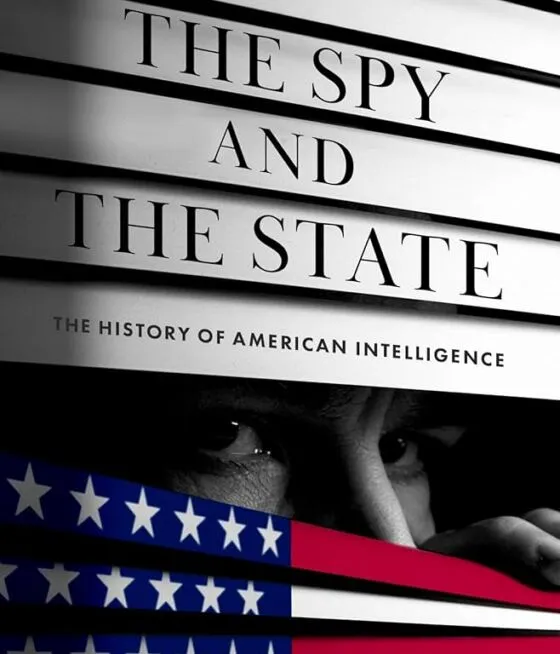
ED: In The Spy and the State, you explain how intelligence rests on four core activities: collection, analysis, counterintelligence, and covert action. How did each of these activities function during the American Revolution, and were American leaders consciously developing a system of intelligence, or improvising as the war unfolded?
JR: The first thing we have to remember is that both the British and the Americans at the time thought espionage was dishonorable. This does not mean that British and American leaders did not use intelligence to their advantage where they could, only that they could not do so publicly.
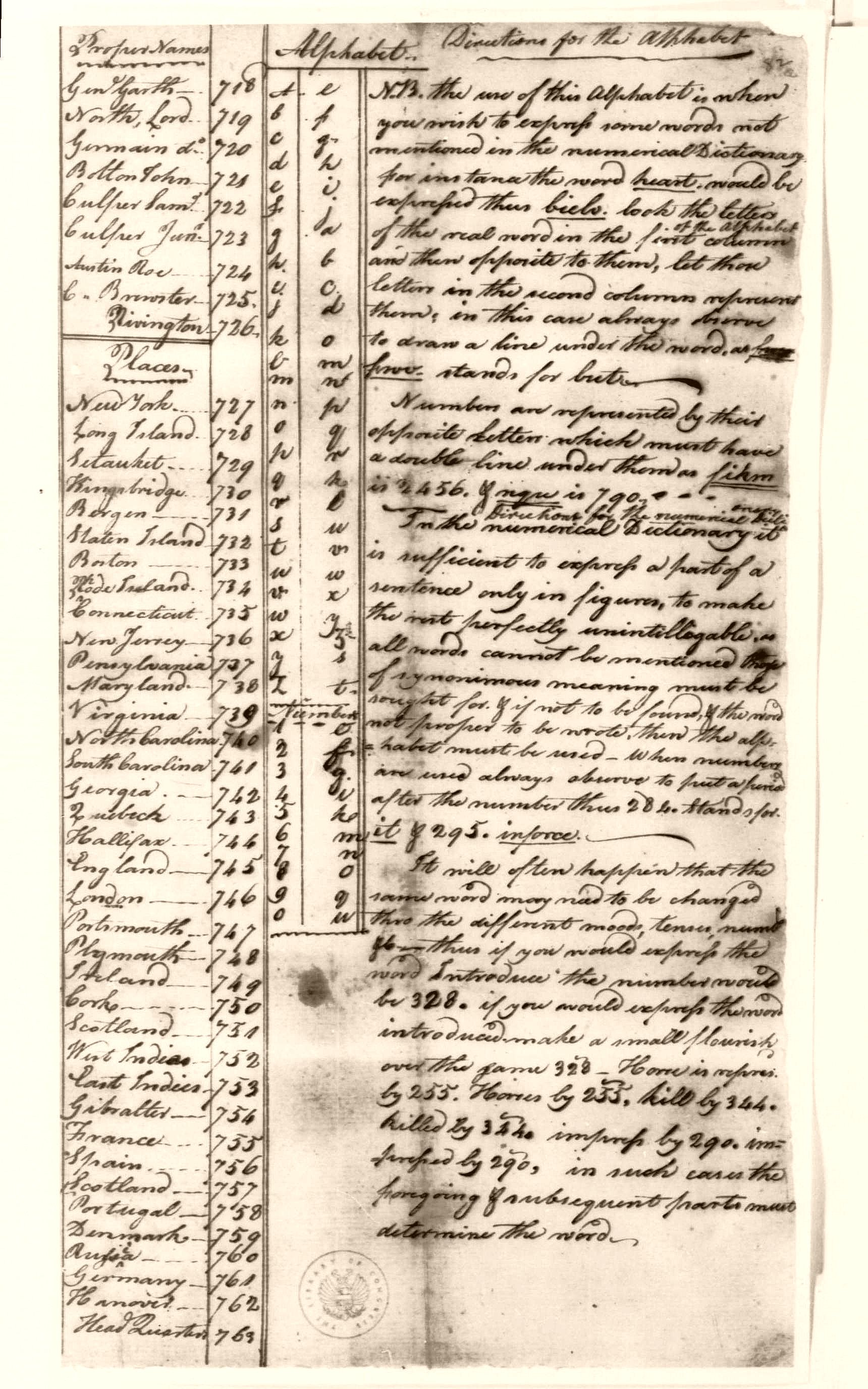
The Revolutionary War featured all four “core” missions of intelligence—collection, analysis, counterintelligence, and covert action. Collection and human intelligence, or HUMINT, is probably what most people think happened in the war thanks to pop culture, like the TV show TURN: Washington’s Spies, which is about the famous Culper Spy Ring.
Besides using spies to collect intelligence, the Americans also intercepted British correspondence, as we know from a letter Washington sent General Philip Schuyler. Information about British troop numbers and movements helped Washington plan his campaigns, including the final one at Yorktown.
In another one of his early letters discussing intelligence, Washington mentioned his fear of British spies. The American side had a committee in New York dedicated to identifying and arresting British spies, in other words, it was a counterintelligence committee. In yet another letter, Washington discusses the need to analyze the information that American spies were providing to ensure it was accurate.
Finally, there were several examples of covert action during the war. The French supported the Americans by secretly providing arms and instructors before the formal Treaty of Alliance in 1778. The Americans also exploited propaganda—even if we do not think about it this way today—through pamphleteering and the press, which Washington also remarked favorably upon in a letter. You can tell from this response that I read many of Washington’s letters in my research and found intelligence in plenty of them.
While some American leaders were more conscious of the need for a formal or organized intelligence system than others, the American effort was largely improvised because there were no official intelligence organizations or officers at the time. It would take several more wars and over a century before the United States began to professionalize intelligence and create what we now call the U.S. Intelligence Community, or IC for short.
The price of Loyalism
ED: What most surprised you about the intelligence challenges the Founders faced during the Revolutionary War? Were there any specific moments when the American cause came close to failure because of intelligence breakdowns?
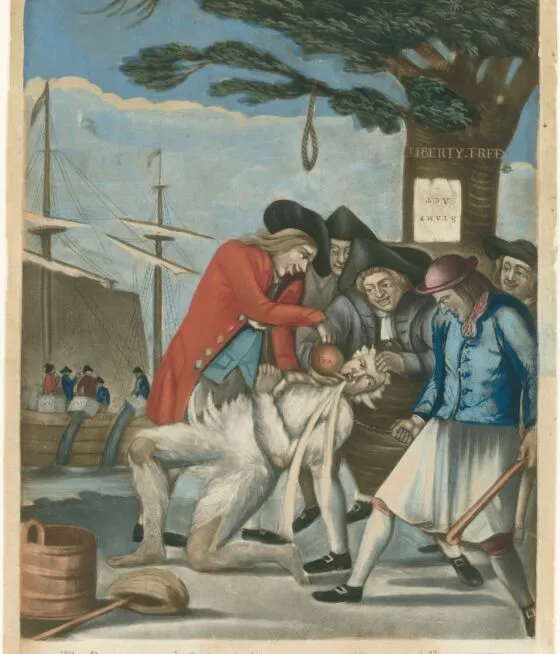
JR: The politics, partisanship, and politicization of intelligence were just as bad back then as they are today. Perhaps the greatest popular myth about the Revolutionary War period is that the country was united in this great common cause to fight for liberty. But the Americans still managed to fight among themselves. From the Founders, who harbored intense personal and political rivalries, to the American people at large, whose allegiances varied from Loyalist to revolutionary to fence-sitter, the country was truly divided. Intelligence sharpened some of these divisions at the expense of the war effort. Spy mania resulted in counterintelligence campaigns in both the northern and southern theaters that witnessed Americans spying on each other and resulted in aggressive attacks on Loyalists or people suspected of being Loyalists. But one of the greatest risks that intelligence posed to the revolutionary cause was not even in the American colonies—it was overseas.
JR: Winning French support was essential for the American side. It was also the mission of a small group of American diplomat-spies sent to France, but they did as much harm as good. Some of their more aggressive intelligence activities undermined their diplomatic initiatives, like the privateering operations planned and launched from French territory by Silas Deane and Ben Franklin. Even worse, Arthur Lee, the first American diplomat-spy sent to France, hated Deane and Franklin. Their personal quarrel rippled across the Atlantic and erupted into a political dispute in the Continental Congress that went public. In fact, Thomas Paine was arguably the first major American figure to “leak” secret information when he revealed France’s covert support to the revolutionaries in a newspaper article he wrote attacking Silas Deane. The Continental Congress was not an institution you could trust with keeping secrets and protecting intelligence “sources and methods,” largely due to partisanship and politics. So, the problems we have recently experienced in our country due to politicizing intelligence are by no means new. They were present at the creation, so to speak.
ED: You introduce readers to a wide and memorable cast of spies and informants. Do you have a favorite figure from the intelligence world of the Revolutionary Era, and if so, what makes that person particularly compelling?
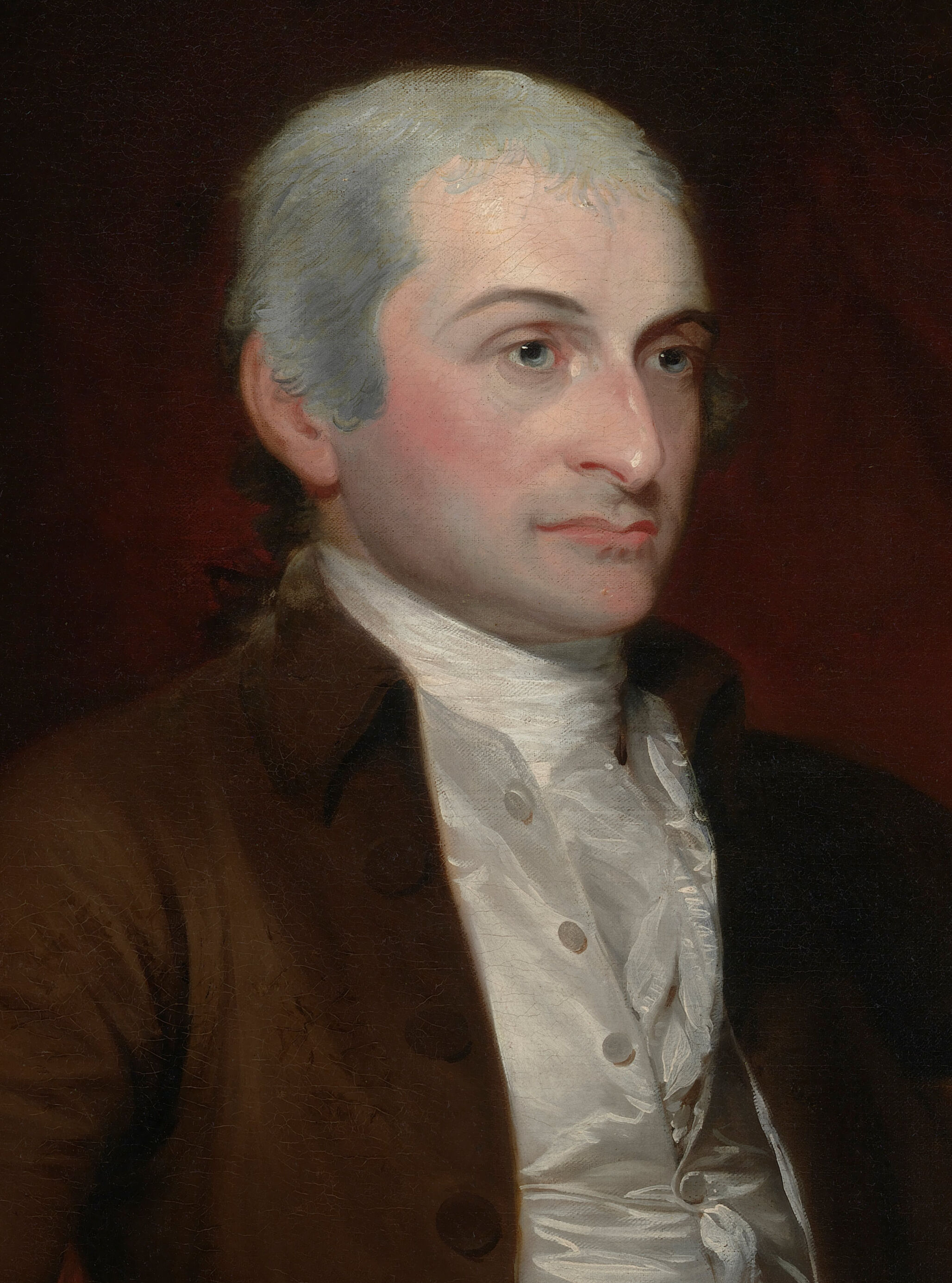
JR: I’d rank John Jay right up there with George Washington as a Founder who was deeply steeped in intelligence during the war. Jay served on the Committee of Secret Correspondence, which managed the diplomat-spies in France, and the Committee for Detecting and Defeating Conspiracies, which led the counterintelligence effort to root out British spies in New York. This places Jay in the middle of some of the controversies I’ve mentioned. As a member of the Committee of Secret Correspondence, Jay was against sharing information concerning American intelligence activities in France with the Continental Congress. He was also part of the pro-Deane faction during the Congress’s divisive investigation of Silas Deane. It is perhaps ironic that Jay was the first Chief Justice of the Supreme Court because the Committee for Detecting and Defeating Conspiracies was not a model for due process or safeguarding civil liberties in executing its counterintelligence duties during the war.
JR: What I like most about Jay is the under-appreciated legacy he left by later sharing some of his Revolutionary War-era spy stories with a young aspiring novelist, James Fenimore Cooper. These stories inspired Cooper to write, The Spy, the novel that launched his career. As an avid reader, I think it is a magnificent piece of American literature, but as an intelligence historian, I like what it revealed about American civil society’s attitudes toward intelligence. The novel also forced American audiences at the time to confront the fact that George Washington was engaged in the dark arts of intelligence during the war for independence. Not everyone was happy about that, as I discovered in reading some of the contemporary reviews of The Spy. Of course, Washington was a keen practitioner of intelligence, which leads to your next question…
ED: You describe George Washington as a “quick study” when it came to intelligence. What did Washington grasp about intelligence that many of his contemporaries did not, and how did his leadership shape the early development of American intelligence practices?
JR: Washington’s first foray in intelligence was not actually in the Revolutionary War but was decades earlier in the French and Indian War, although the mission was more akin to reconnaissance than espionage. Whether it was due to his personal experience in the French and Indian War or his professional circumstances as the Commander-in-Chief of the Continental Army in the Revolutionary War, Washington didn’t share the same misgivings that many of his fellow Americans had about espionage or intelligence.
To quote Washington himself, he understood “the necessity of procuring good intelligence.”
In a letter to Colonel Elias Dayton from 1777, he also emphasized the need for secrecy, and secrecy is something Washington stresses in letter after letter to his spies and spymasters. Washington was willing to go to great lengths to acquire intelligence that many of his contemporaries would have found objectionable, like recruiting Quakers as spies or asking a reverend to use the last rites of two condemned British spies as an opportunity to obtain information.
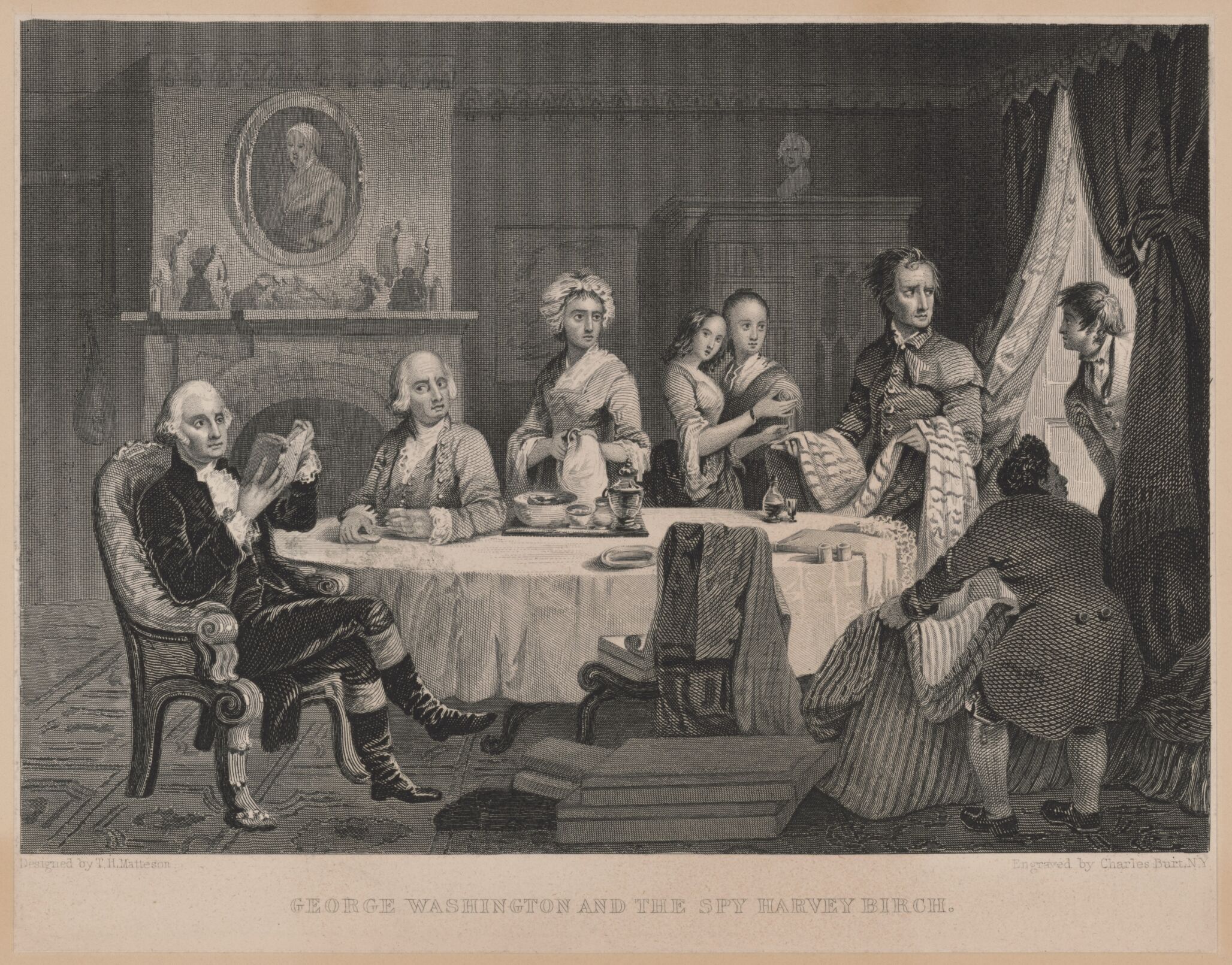
Besides his better-known intelligence feats during the Revolutionary War, Washington left a controversial legacy for American intelligence with presidential precedents. Washington understood the need for secrecy and a degree of discretion in letting the president manage intelligence affairs without exposing the details to a fractious, partisan Congress. In his First Annual Address to Congress, known today as the State of the Union Address, Washington requested a special fund for foreign affairs called the Contingent Fund for Foreign Intercourse, later more appropriately called the Secret Service Fund. It was America’s first “black budget” because it allowed the president to manage espionage and intelligence activities without reporting the details to Congress. The Secret Service Fund generated constitutional questions and congressional debates over presidential power and American foreign policy throughout the first half of the 19th century, and it started with Washington.
ED: As Americans prepare to celebrate the nation’s 250th anniversary, what lessons from your scholarship might help citizens reflect on the meaning of the American experiment?
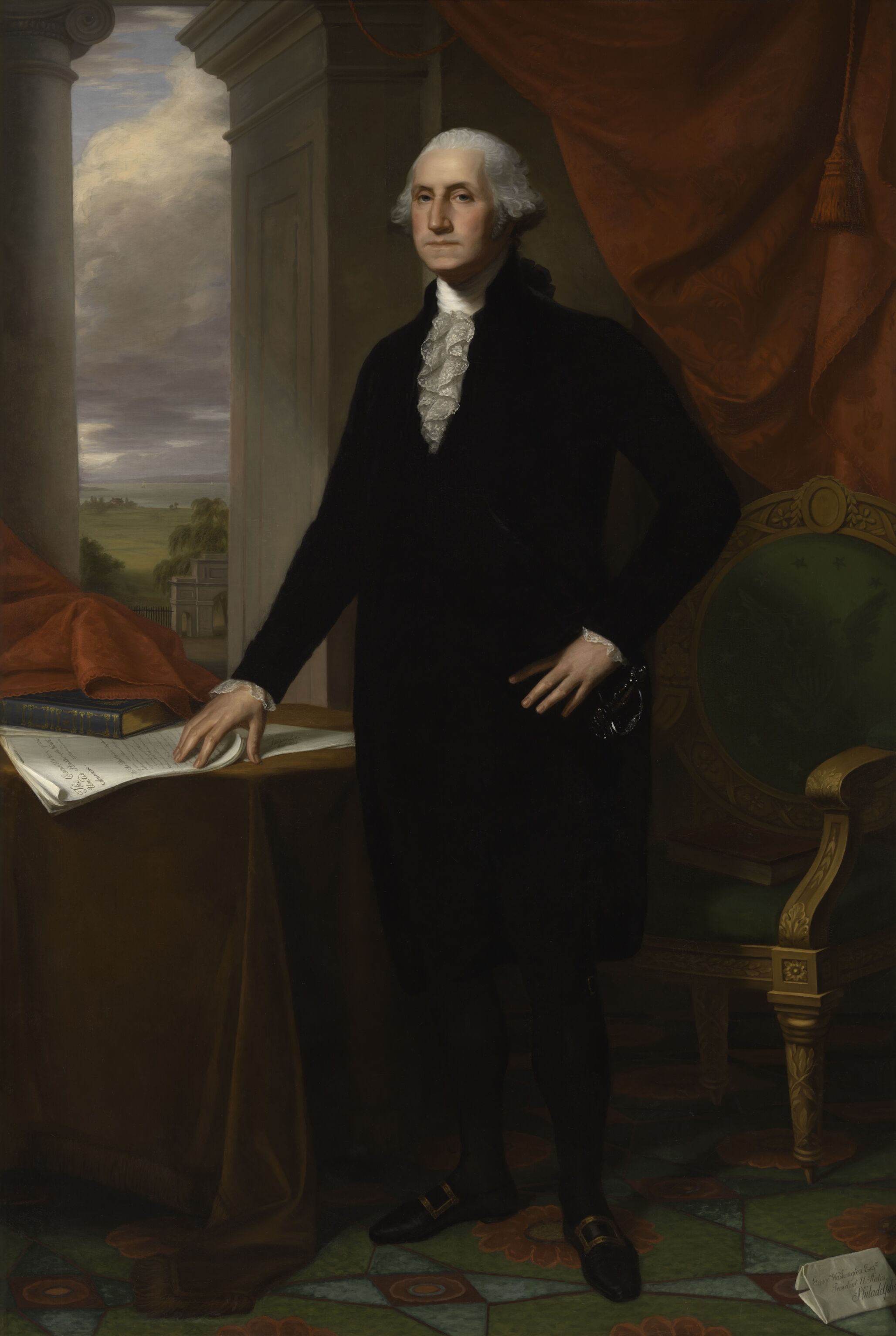
Intelligence challenges foundational American principles more than any other area of government because of its combination of secrecy and surveillance. This is going to be one of the great constitutional struggles of our time due to new technology that gives the U.S. government, intelligence organizations, and let’s not forget private corporations, a source of power over the people that the Founders never could have imagined. However, when we look at how the Founders used intelligence during the American Revolution, I imagine some of them would have no problem availing themselves of even the most invasive measures available today.
For all their wisdom and virtues, even the Founders succumbed to the allure of intelligence. They wielded it not only against the British during the war, but also against their own political rivals in the early American republic. Of the many precedents and principles imparted by the Founders that are worth preserving, mixing intelligence and politics is not one of them.
I have cited Washington throughout these responses and must once more, this time from his famous Farewell Address. In the address, he offers counsels to his fellow Americans “to moderate the fury of party spirit, to warn against the mischiefs of foreign intrigue, to guard against the impostures of pretended patriotism.” Washington witnessed the combination of these three dangers in the intelligence controversies of his own day. As the United States celebrates its 250th at a moment when political polarization is high and trust in government is low—and intelligence is a big reason why—we would do well to heed the advice of our republic’s First Citizen, first president, and first spymaster.
ED: Thank you for your time!
Dr. Elliott Drago serves as the JMC’s Resident Manager of Network Engagement & Resident Historian. He is a historian of American history and the author of Street Diplomacy: The Politics of Slavery and Freedom in Philadelphia, 1820-1850 (Johns-Hopkins University Press, 2022).