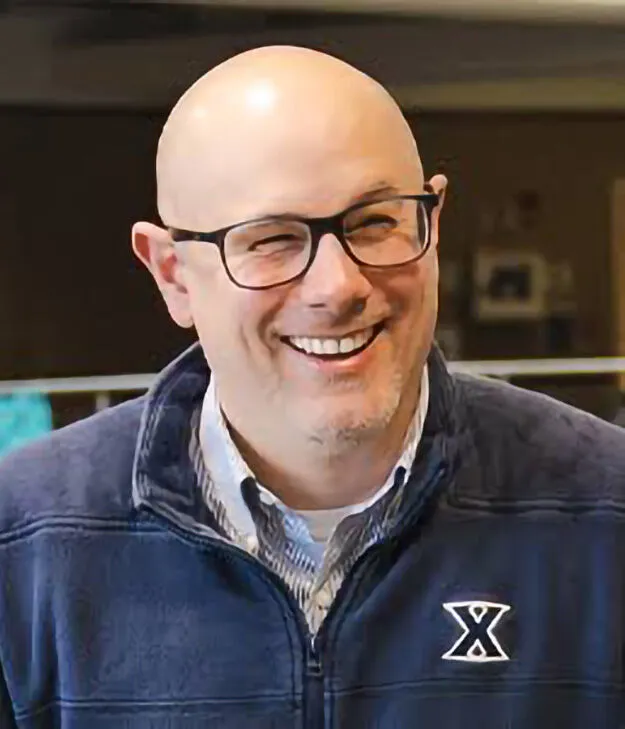
An interview with Consortium Professor Mack Mariani
Dr. Mack Mariani is Professor of Political Science and Director of the Stephen S. Smith Center at Xavier University. He has taught multiple courses through the Consortium, including “Franklin: The First Americans and “U.S. Congress.” He also previously directed Xavier’s Graduate Certificate in the American Founding and Constitution, which is a partner program of the Graduate Consortium.
October 15, 2026
JMC: What was your experience teaching through the Graduate Consortium this year?
MM: This year, I taught two courses in addition to supporting the instructor of the first graduate course Xavier offered as part of the Graduate Certificate in the American Founding and Constitution. For the first course, I worked with Dr. John Ray and learned a lot about the content and best practices for running virtual courses. In spring 2026, I taught “Franklin: The First American” and instituted small-group meetings for the teachers. The full group seminar generally focused on primary sources. The small groups then met at a time that worked well for the teachers. In the groups, they discussed a secondary source and a paper one of the participants wrote. This structure worked so well that I replicated the model in my summer 2026 course “U.S. Congress.”
The small groups were the highlight of my courses because they let all students participate, especially those who didn’t participate as much in the larger group meetings. Teachers enjoyed being responsible for a particular topic or reading and meeting with peers to discuss their writing. Students built community in the small groups, which ultimately encouraged broader participation. I was excited to see participation grow among students.
JMC: How would you describe teachers’ engagement, both in terms of participation and the kinds of questions or connections they brought to class?
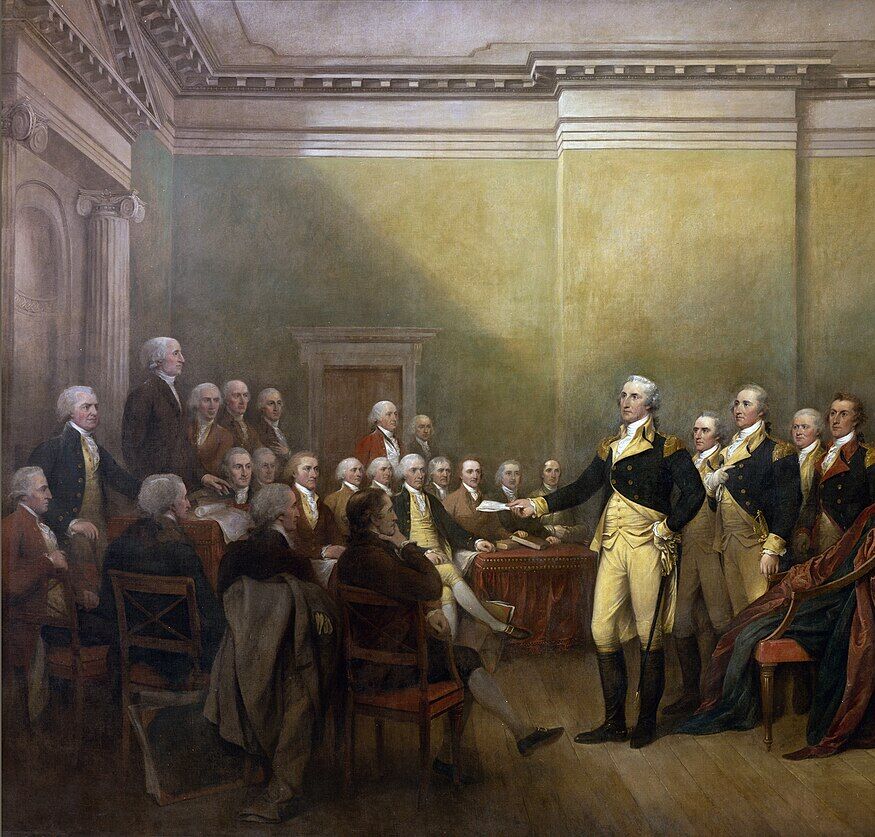
MM: Some teachers came in with a lot of background knowledge while others had less background knowledge. The course on Congress covered the late 19th and 20th centuries, which drew in teachers with more knowledge of modern history, while the Ben Franklin course favored students more familiar with early America. This mix of classes covering different eras of American history is an asset of the Xavier program because it encourages participation from students with a variety of interests and strengths in content knowledge.
JMC: What did you learn from teaching K-12 teachers?
MM: I learned a lot from the teachers. First and foremost, teaching K-12 teachers has been the highlight of my academic career. The conversations were rich, and it has been an honor to work with individuals so invested in teaching young people. There is a lot of negative news about the state of K-12 education across the country, but over the last year, working directly with teachers, I learned that educators are committed to making a change. The more that I work with teachers, the more hope and optimism I have that they are making a difference in the classroom. The teachers in the Xavier program are committed to understanding the Founding and learning new material, and I better understand the importance of giving them space to be students again. As a professor, it was energizing to talk with students who were so committed to learning.
JMC: What did you learn in designing a virtual course?
MM: I learned that Zoom classes should not run for more than 2 hours at a time. This is a “doable” length for teachers in the evening and long enough for a rich discussion. I think other instructors designing such a course would be wise to incorporate different modes of student participation, like breakout rooms in the two-hour seminar. Xavier students asked for this, and it worked well.
In terms of assignments and a general approach to courses being administered virtually, I think it is important to keep things simple. In my classes, I assign three short papers and one final. Flexibility is also necessary because we are working with adults. I recorded all lectures in case a teacher missed. Attendance was still good, and teachers were consistent. They communicated when they needed to miss.
JMC: Why do you think universities should join the JMC Graduate Consortium?
MM: The Jack Miller Center is a great partner in this work. The JMC network is phenomenal, and Xavier couldn’t do this work without it. Thanks to JMC’s reach and national reputation, the American Founding and Constitution Graduate Certificate Program attracts quality candidates, which has elevated the program and Xavier University nationally.
Overall, the Consortium offers a great source for marketing university programs, connecting universities with quality candidates, and supporting faculty. Thanks to the Consortium, Xavier is now linked to a deep bench of scholars and K-12 teachers.
JMC: Why should faculty teach Graduate Consortium courses?
MM: Through Graduate Consortium courses, faculty work with a group of students who want to learn. The students are of course self-selecting, but faculty are guaranteed a course where everyone wants to learn the content, read the sources, and talk about them. Teachers are intellectually curious, academically well prepared, and engaged. That is a wonderful experience as a professor, and something I looked forward to every week of the courses.
JMC: What do you hope teachers carry from your course back into their own classrooms?
MM: I love the idea of teachers taking documents they read and discussed in my graduate seminars at Xavier back into their schools and exposing students to them. I hope teachers bring those primary sources back to their classrooms. This is what makes the JMC-supported courses so valuable for teachers and professors—both learn about new sources and have fresh, interesting materials to share with their students.
The Civics Foundations Graduate Consortium is a partnership of universities committed to offering graduate education opportunities to K-12 civics and history teachers. Consortium courses are taught by top scholars at universities across the country and are designed to help teachers deepen their knowledge of topics in American civics and history from the founding era to modern American political thought. The virtual courses emphasize content mastery and teaching with primary sources.