
An interview with Teacher Alyssa D’Antonio
Alyssa D’Antonio teaches history at Gloucester High School in Massachusetts. She previously took a JMC-supported graduate course at Tufts University, and in 2026, enrolled in multiple courses offered by Xavier University as part of the Graduate Certificate in the American Founding and Constitution.
October 14, 2026
JMC: Why did you enroll in graduate courses through the JMC Graduate Consortium?
AD: I have enrolled in multiple courses at Xavier University and Tufts University through the Consortium. I find developing content knowledge personally motivating, and these courses pushed me to do that. I studied English literature as an undergraduate, so when I started teaching history and social studies, constitutional history was a real gap in my training. Taking courses through the Jack Miller Center helped prepare me to teach AP Government.
Beyond the academic preparation, the content-based credits were a big draw. There are not many opportunities for this kind of high-level thinking and training for teachers. Moreover, taking the courses without the financial burden of paying tuition was very helpful. I was able to focus on learning in the courses without the financial pressure of paying for them.
Finally, I was also drawn to these courses because I was seeking opportunities to advance on my district’s salary scale. I already had some graduate credits, and the courses helped me meet the requirements for the next step in my advancement.
JMC: Can you describe your personal experience in the courses?
AD: I had a very positive experience in the courses. While the level of teaching has been high, the professors have also demonstrated understanding of teachers’ interests and the demands of the school year by making the courses manageable. I can see the level of care that goes into planning and teaching these graduate courses, and that makes a huge difference compared to other professional development training I’ve completed.
JMC: How would you compare the courses you’ve now taken at different universities through the Graduate Consortium?
AD: After taking “The Pursuit of Happiness” through Tufts University and going through multiple courses at Xavier, I have seen both variation and overlap in different courses, and this is a net positive. Rather than feeling repetitive, I have gained experience reading texts multiple times through different lenses. Taking courses with scholars of different disciplines has helped me learn how to think about texts in interdisciplinary ways.
JMC: What texts from these courses have or will you use in your classroom?
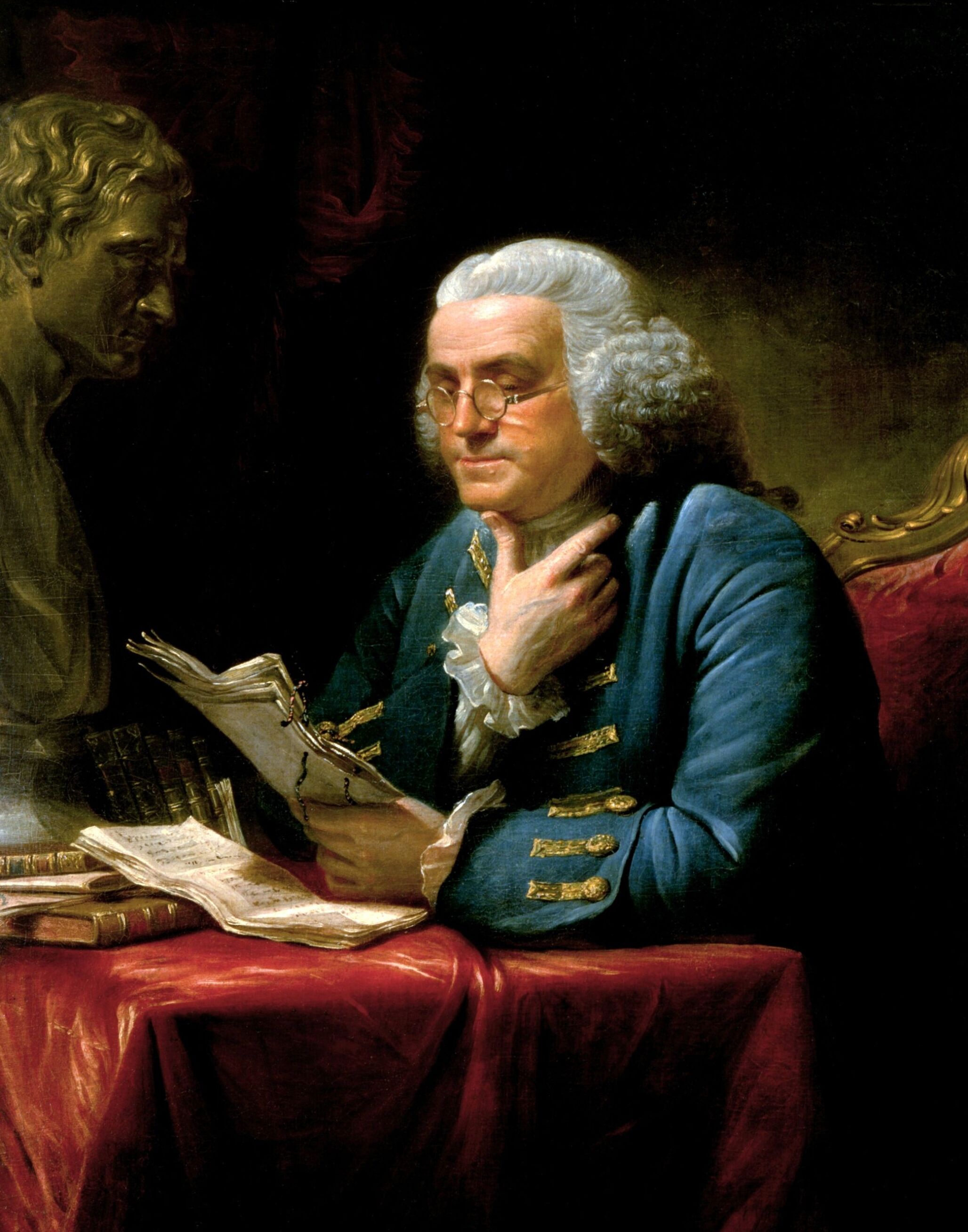
AD: The primary sources that have really stood out to me include Benjamin Franklin’s Autobiography (especially his chapter on the virtues); the Federalist and Anti-Federalist Papers; the Federal Farmer essays; and Franklin’s Silence Dogood letters.
JMC: How was the workload for the courses you took?
AD: The workload is challenging but manageable. I could tell that each professor chose the course material with intentionality and that the readings, even though some were long, made me think. Overall, the courses were a good intellectual stimulus.
JMC: What did you think of the virtual course format?
AD: I love the virtual course format. I am someone who enjoys in-person learning, but the opportunity to interact with peers from vastly different places is invaluable. It would not be possible without the course’s virtual format.
JMC: Was the application, enrollment, and registration process straightforward?
AD: Yes, all these processes were super easy to navigate. I never had any kind of tuition bill in my account and appreciated how seamless the entire process was.
JMC: Would you be interested in taking more graduate courses through the Jack Miller Center?
AD: Yes, absolutely. Continuing education is important to me. I believe the goal of teaching is always to be a student, and the Jack Miller Center makes reaching that goal possible. The courses I have taken have exposed me to different disciplines, including philosophy, government, and history. Interacting with scholars of various disciplines is an invaluable opportunity, and I plan to take part in these courses again in the future.
The Civics Foundations Graduate Consortium is a partnership of universities committed to offering graduate education opportunities to K-12 civics and history teachers. Consortium courses are taught by top scholars at universities across the country and are designed to help teachers deepen their knowledge of topics in American civics and history from the founding era to modern American political thought. The virtual courses emphasize content mastery and teaching with primary sources.