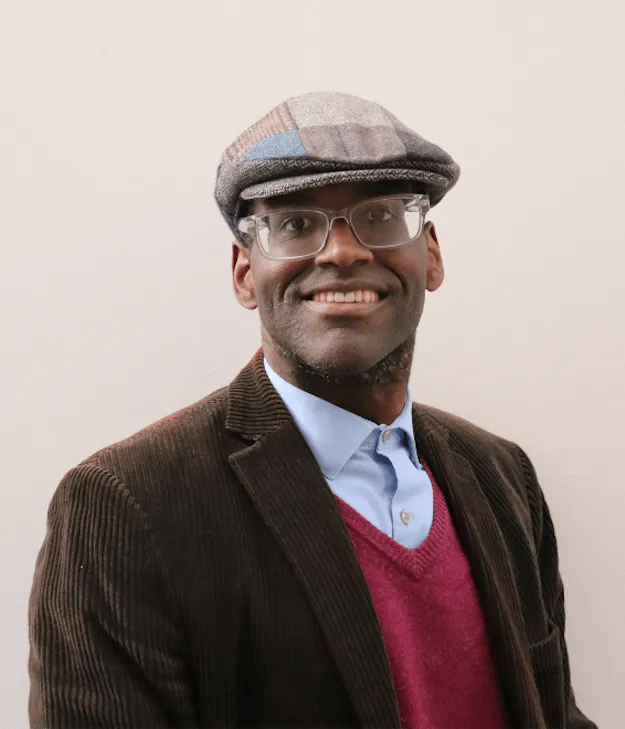
An interview with Teacher Marvin McCrary
Marvin McCrary teaches U.S. History and Government at Colossal Academy in Florida. He took “Religious Liberty and the Founding” and “The Pursuit of Happiness” through Claremont Graduate University in July and August 2026. Here, he discusses his experience in the religious liberty course taught by Dr. George Thomas.
October 2, 2026
JMC: Why did you enroll in “Religious Liberty and the Founding”?
MM: Religious liberty is a topic my students are very interested in, and I want to help them understand the depths of this topic more fully. I also believe teachers should never stop learning, and we need to model continual learning for our students. Once I discovered the course was tuition-free, I knew I had to take it. It was also appealing because the course was offered during the summer of the 250th anniversary of the Declaration of Independence, so it was an ideal time to take it.
JMC: Would you be interested in taking more graduate courses through the Jack Miller Center?
MM: Yes. The opportunity to study with top scholars is amazing. I can’t think of a better way to improve my content knowledge and my teaching.
JMC: Does your school or district provide any incentives for earning graduate credits or degrees, and where are you in reaching those milestones?
MM: Yes, there is a salary scale with increased pay based on years of experience. There are “lanes” for each level of the scale, and earning graduate credits allows teachers to switch lanes and increase their salary. I am interested in earning a master’s degree in the future, and a content-based degree is very appealing. I have taken some courses elsewhere to test the waters on what that might look like, and I initially registered for this JMC course as part of that process.
JMC: Can you describe your experience in “Religious Liberty and the Founding”?
MM: It was overwhelmingly positive. I learned a great deal from Dr. George Thomas, and I enjoyed meeting the other teachers. Discussing how to implement the content in our classrooms with my fellow teachers was particularly valuable. I would describe this experience as the kind of professional development that truly values teachers.
JMC: How did this course compare to other graduate courses you have taken?
MM: In terms of rigor, it was like other graduate courses I have taken, but there was much more professor engagement than I have experienced before. Dr. Thomas was highly engaged and routinely sought feedback from the enrolled teachers. The course was also very organized and easy to navigate, and little things like that make a big difference.
JMC: How will you use the material and sources from the course in your classroom?
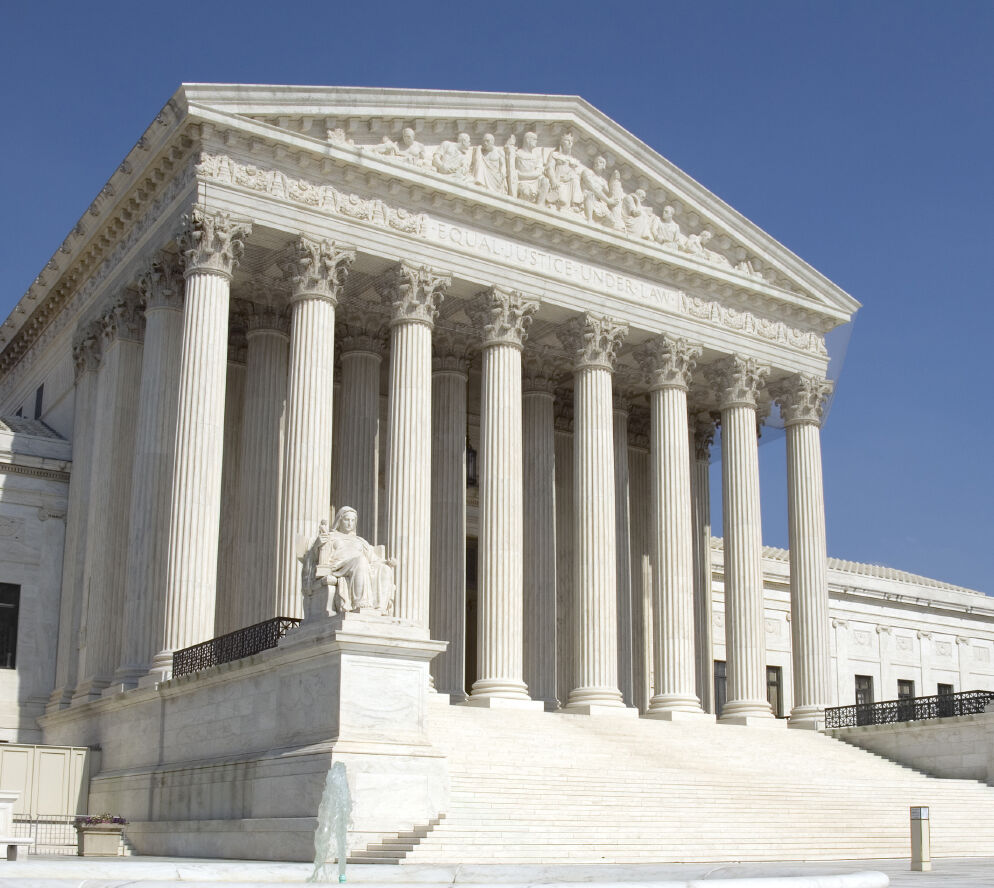
MM: The course was immediately applicable to my AP Government class. I plan to use the course reader in my own class, and I now have a larger repertoire of Supreme Court cases to draw from when teaching about religion and religious liberty.
For my final project, I wrote a lesson plan that asked students to compare and contrast West Virginia State Board of Education v. Barnette (1943) and Engel v. Vitale (1962), two Supreme Court cases on religious liberty, and I will be teaching that lesson this year. I was super locked in early in the course once I realized how applicable it would be.
JMC: What did you think about the virtual course format?
MM: I enjoyed it overall. It was easy to navigate, and the readings were available online, so I didn’t need to purchase any books. The Zoom link was also easy to find for each class, since the professor sent it to everyone right before class began.
Overall, this was a fascinating experience. I had never taken a course with the Jack Miller Center before, and I was really impressed.
The Civics Foundations Graduate Consortium is a partnership of universities committed to offering graduate education opportunities to K-12 civics and history teachers. Consortium courses are taught by top scholars at universities across the country and are designed to help teachers deepen their knowledge of topics in American civics and history from the founding era to modern American political thought. The virtual courses emphasize content mastery and teaching with primary sources.