
An interview with Ben Peterson
JMC Resident Historian Elliott Drago sat down with 2025 Jack Miller Fellow Ben Peterson to discuss his work on the varieties of political thought, the rule of law, and ordered liberty. Peterson is an assistant professor of government & criminal justice at Abilene Christian University.
August 18, 2026
ED: What inspired you to become a scholar?
BP: My father is a professor, and I was always grateful for chances to hear him speak and to have conversations with him about theology, politics, and history. There were always books around the house, and I liked to leaf through them. Even though I at first resisted the idea of teaching for myself, I began to reflect that some of the most cherished mentors and people in my life were teachers and professors, and I would like to be like they were for me to others. At one point, when I was talking to my grandfather, also an important influence, he said that I was a good communicator—I should either be a politician or a teacher! I knew which one was the better fit.
ED: What is your area of specialty, and what first sparked your interest in that topic?
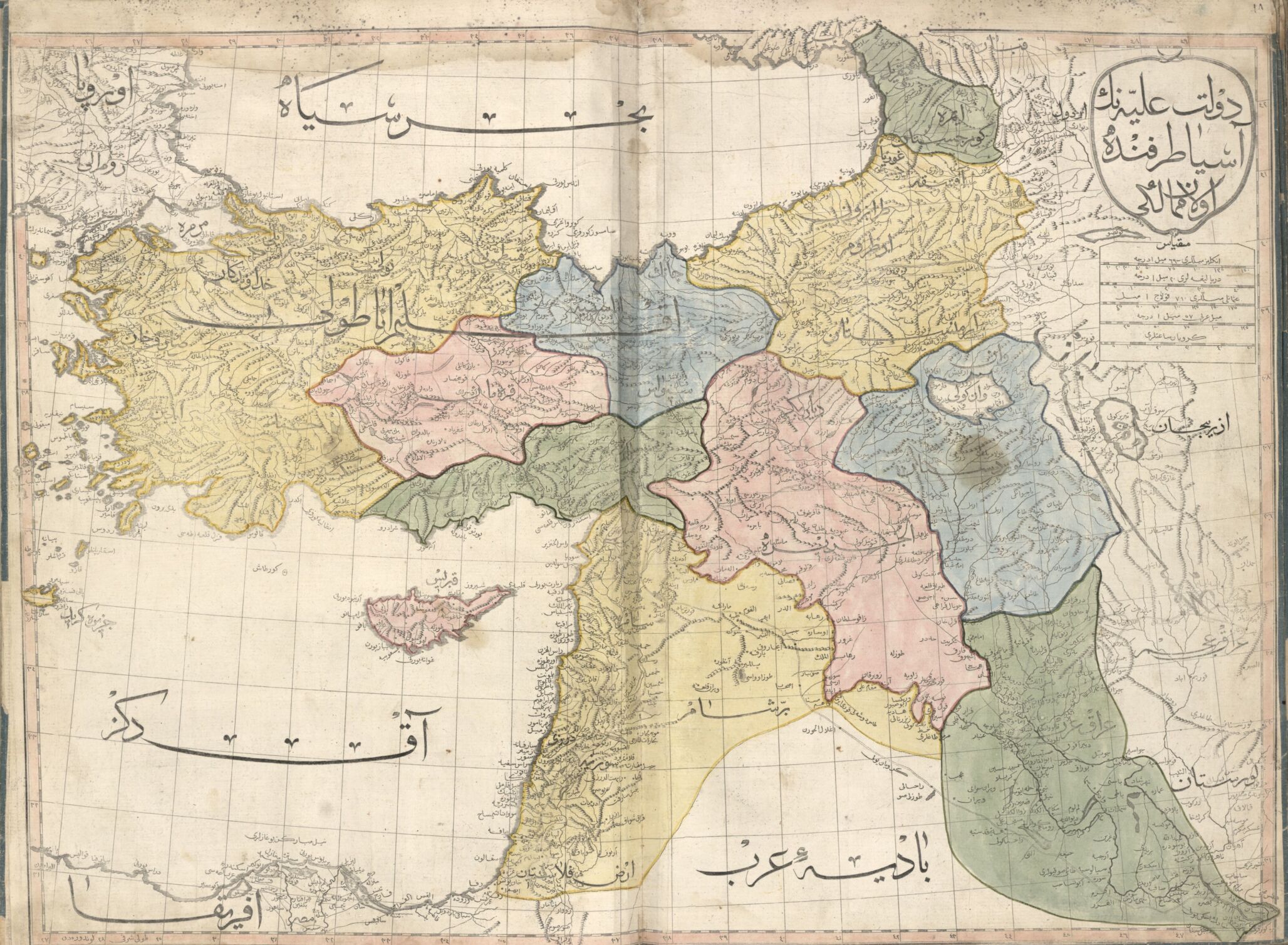
BP: I specialize in political theory, including a focus on religion and political thought. I have a longstanding interest in Islam and Islamic political thought that I can trace to 9/11 and subsequent experiences talking with Muslim neighbors and traveling in the Middle East. I backed from that interest into the tradition of political thought in Christianity, my own faith. I’ve written on American political thought, Islamic political thought, Christian political thought, and on social policy and public affairs.
ED: What’s the most memorable first-hand account you’ve come across in your research?
BP: Somewhat recently, while researching for my book on social order, I was struck with a few accounts from people who said that they were actually grateful for their time in prison, or at least aspects of it. Another first-hand account that has stuck with me is the account of Joseph Stalin’s last moments from his daughter, Svetlana Alliluyeva in Twenty Letters to a Friend—chilling and memorable.
A grounding in ancient sources
ED: How does your research shed light on America’s founding principles and history?
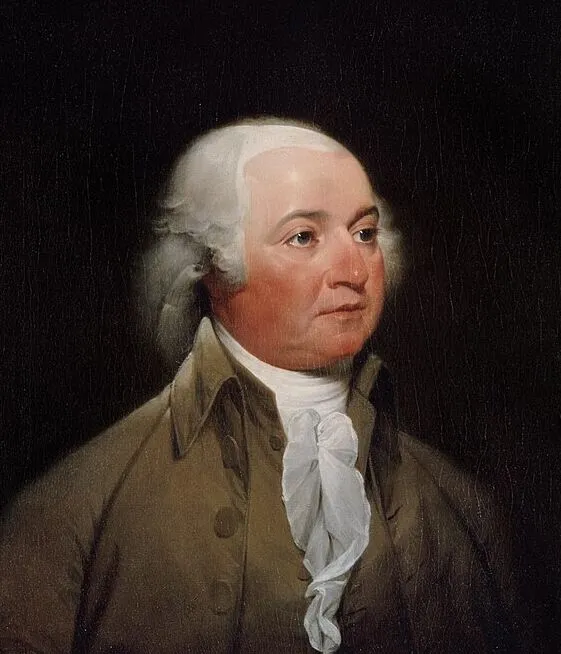
BP: Some of my research has focused on the political thought of John Adams, one of the most important constitutional theorists among the founders, arguing that what I call his “republican institutionalism” was grounded in ancient sources, such as Polybius, the Greek historian of the Roman Republic. I have also paid some attention to the rich synthesis in the works of thinkers like Adams and others active at the time of the founding of ancient, modern, and even medieval ideas. Part of this has been to counter a simplistic understanding of the American founding as one-dimensionally ‘liberal,’ although there is an important strand of liberalism in the American political tradition. In particular, I’m interested in the concept of the rule of law, as opposed to the rule of men, a concept with ancient roots that holds a central place in American political thought as well.
ED: What is one thing you wish every student knew about the American political tradition?
BP: From the colonial period, Americans have debated the meaning and relative importance of concepts like liberty, equality, the rule of law, the nature of government, and the relationship between civil authority and religion. Though influenced by Enlightenment liberalism, the American political tradition is not simply liberal; it also channels streams of thought coming to us from antiquity.
The American political tradition is filled with interesting debates; it is not univocal.
If I can just make one more point, I want to suggest that achieving ordered liberty is difficult. Political liberty comes with social costs and challenges; it requires great virtue and discipline to maintain. I think many of the Framers, along with great analysts of American democracy like Tocqueville, were aware that republican government is especially prone to certain distempers like instability, inconstancy, and the democratic forms of tyranny; good leaders and citizens will be aware of those dangers that are especially acute in our form of government and society, and seek to mitigate and remedy them.
ED: As Americans celebrate the nation’s 250th anniversary, what lessons from your scholarship might help citizens reflect on the meaning of the American experiment?
BP: I take the best of the American experiment to be a search for ordered liberty. That entails respect not only for individual rights but also for the rule of law, for conscience but also for truth, for choice but also for virtue, for personal happiness but also the common good. As Russell Kirk taught, properly appreciating the richness of the American experiment means appreciating the degree to which it is an imperfect but noble attempt to balance liberty, justice, and order.
ED: Thank you for your time!
Dr. Elliott Drago serves as the JMC’s Resident Manager of Network Engagement & Resident Historian. He is a historian of American history and the author of Street Diplomacy: The Politics of Slavery and Freedom in Philadelphia, 1820-1850 (Johns-Hopkins University Press, 2022).