
What-ifs and the price of beauty
Greenbrier represents more than potential horror—it represents what Americans hope to preserve: our beautiful nation, one worth preserving, writes JMC’s Elliott Drago in Front Porch Republic.
July 27, 2026
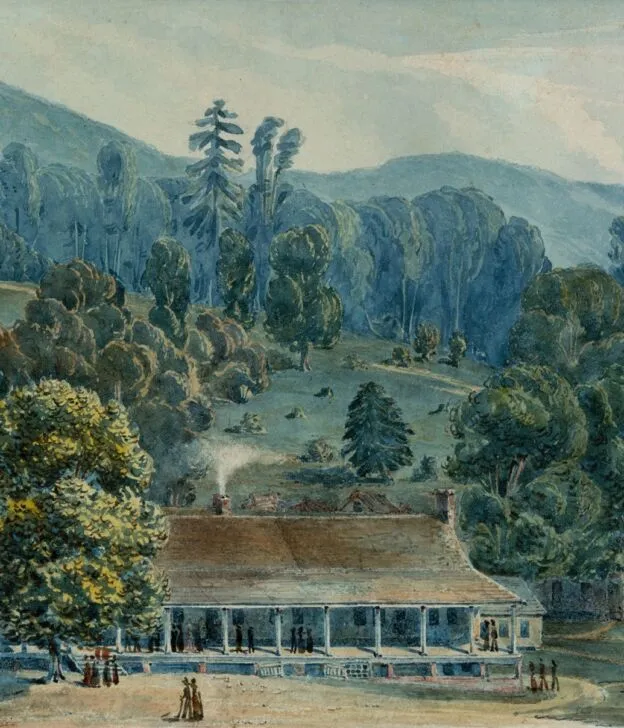
Recently I enjoyed the privilege of staying two nights at the historic Greenbrier in White Sulphur Springs, West Virginia. Spending time in this part five-star resort, part nuclear fallout bunker prompted me to reflect upon the terrifying juxtaposition of charming bucolic splendor and dreadful nuclear annihilation.
For decades, Americans have visited the Greenbrier, initially for the curative properties of the sulfur springs and later as an upper-crust escape for those Americans who’ve benefited from the many golden ages the nation has experienced. By the 1960s and the rise of Cold War tensions, government officials decided that this sleepy West Virginian nook would serve as an ideal location for a bunker. Tucked away in the Appalachian Mountains approximately 250 miles away from the fallout zone of a potential Soviet attack on Washington, D.C., the Greenbrier is relatively inaccessible. Rugged yet jaw-droppingly gorgeous terrain and westerly prevailing winds made it perfectly situated to construct a 50,000-ton cement bunker under one of the mountains on the property, where members of Congress could flee and re-form the legislative branch of the United States government in the wake of nuclear catastrophe.
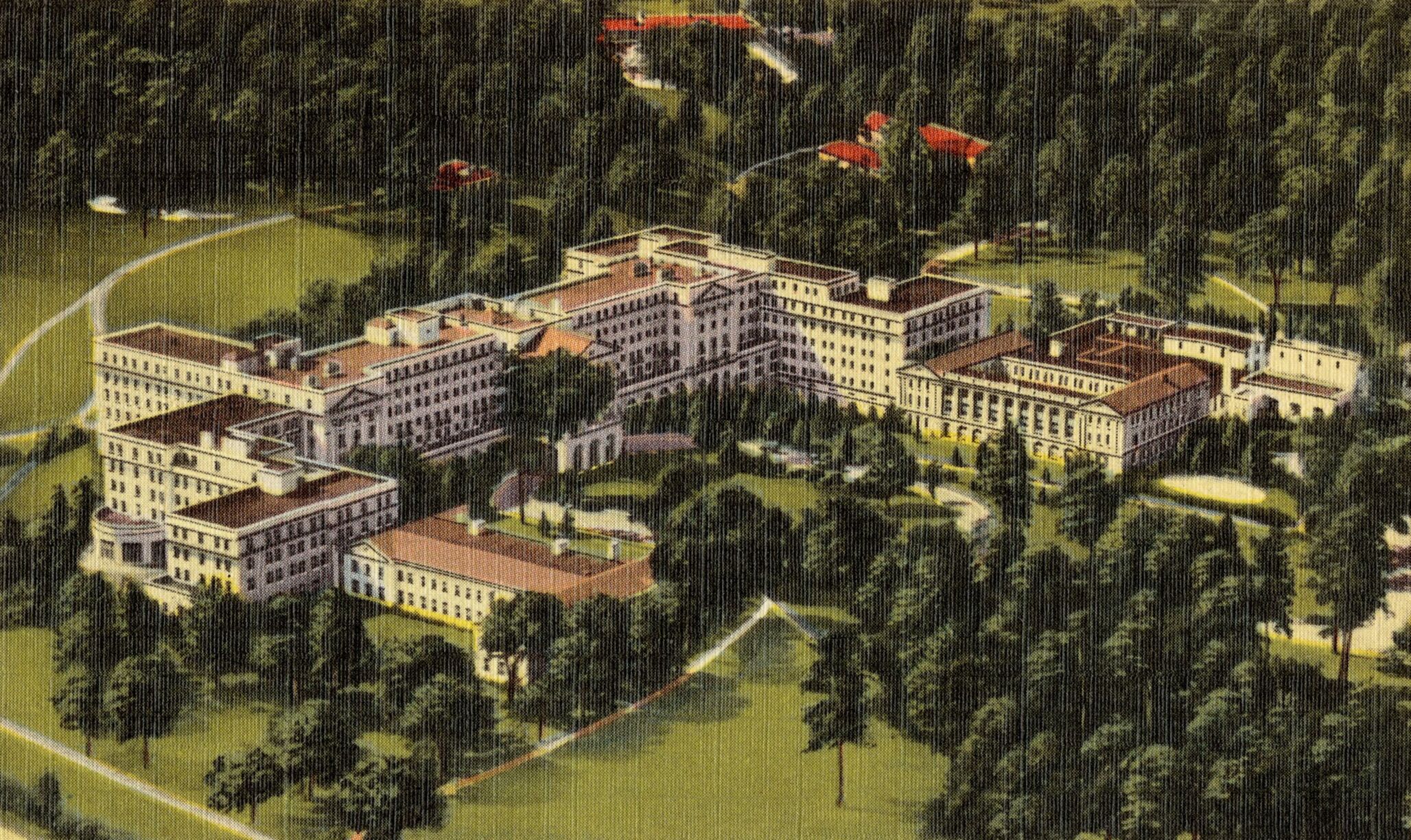
For thirty years, the bunker’s purpose was an open secret among locals—it hosted various industry conventions with outside guests who never realized that this little slice of heaven was where Congress would meet after doomsday. As I strode through the bunker, I couldn’t help but think of what the bunker represented. Of course, the awe and terror of nuclear war doesn’t lend itself to profound feelings of hope for humanity. And yet, the bunker meant more than just the perils of living in a liberal democracy: it represented everything that the United States wanted to protect to continue the world’s last best hope.
Historians sometimes quibble about “what-ifs?” in history, which they call “counterfactuals” (and which many find counterproductive). Realists who convince themselves of brute fact—the past happened as it happened, so why think about another path that never happened?—can sometimes forget the stakes of sites like the fallout bunker under the majestic Greenbrier. That existential counterfactual, i.e., the Soviets dropping a nuclear bomb on Washington, D.C., again made me ponder what exactly the Greenbrier was meant to protect. Was it designed to protect representative government? The republican experiment? Freedom itself?
Was it designed to protect representative government? The republican experiment? Freedom itself?
I found myself thinking about more counterfactuals in American history where it seemed that the national experiment could come to a grisly and pathetic end. I thought about certain moments during the Revolutionary War when Washington could have been outmatched and surrendered, dashing the fledgling Patriot cause. I thought about the Battle of Gettysburg, the rebels capturing Washington D.C., and President Abraham Lincoln being hauled away to a jail in Richmond. I thought about the vicious assault on Omaha Beach, where the American boys fighting seasickness on their Higgins boat while daydreaming about their classmates’ graduations back home didn’t take the beach. What if the Germans successfully repulsed wave after wave, heaped them into a bloody morass, and pushed them back into the English Channel, never to return?
These overwhelmingly grim “what ifs” accentuate the fact that this bunker under the Greenbrier represented not only the potential death of a nation but the vanquishing of humanity through the horrors of a nuclear war. Mulling over the potential carnage, I soon realized that the reason why these events from American history didn’t turn out that way was because of heroic sacrifices made by extraordinary ordinary Americans.
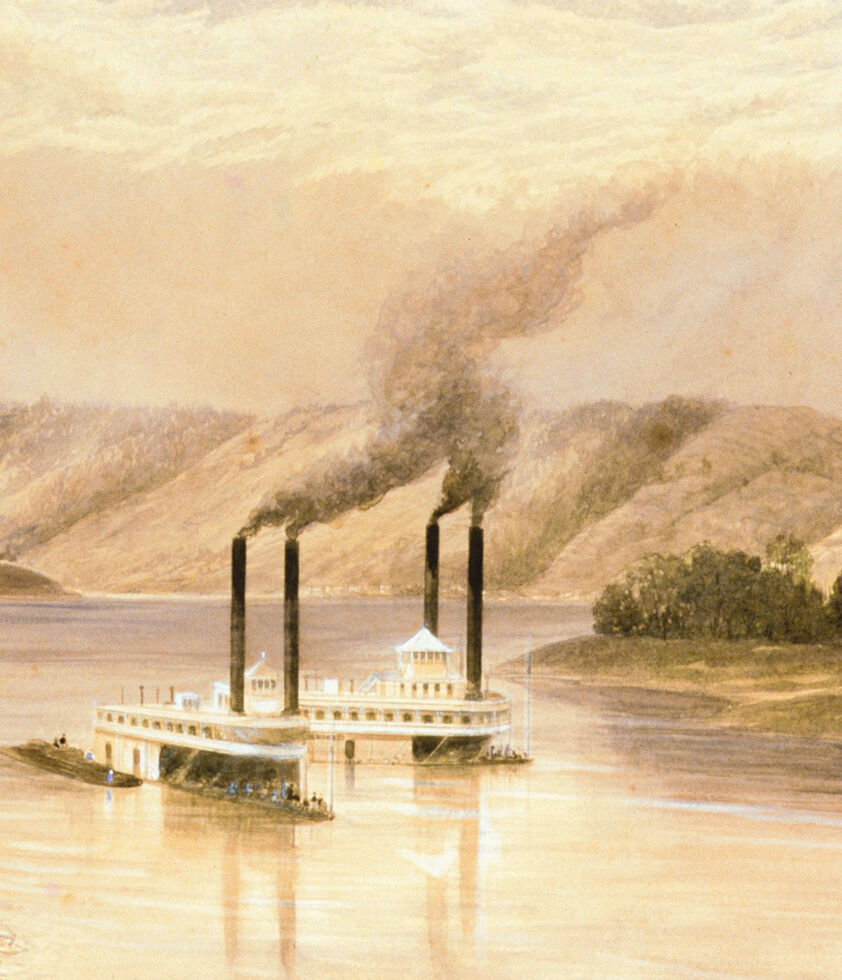
Sobering ideas like these prompted me to shift my focus, as my hopeless optimism—and frankly gratitude that none of those counterfactuals occurred—took over and brought me back to reflecting on what the Greenbrier was meant to safeguard: the natural beauty of America. Yes, representative government and sustaining the republican experiment matter, but sometimes lofty words about those ideas get lost in abstraction. I know that the Greenbrier represents more than potential horror—it represents what Americans hope to preserve: our beautiful nation, one worth preserving.
I completely understand that 99.9% of Americans will never be able to visit, let alone stay at, the Greenbrier. However, when gazing upon about the breathtaking vistas surrounding this fascinating historic resort, I firmly believed that all Americans can rhapsodize about the beauty of their parts of America, and agreed with the historian Luke Nichter, who wrote that “the best way to fall in love with this country is to see a lot of it.”
As President Clinton said, “There is nothing wrong with America that cannot be cured by what is right with America.” Sites like the Greenbrier should encourage Americans not to fixate on material wealth and grandiose abstractions so much as inspire them to go out and see more of their country. Falling in love with the natural beauty of your nation is at root patriotic and is a simple way to honor those who came before us, especially those who made the ultimate sacrifice to ensure that the beauty of the nation, whether its founding ideals or natural splendor, would endure.
My hope is that Americans can find the beauty in the everyday fact of living in this country. And for those who cynically chalk up “from sea to shining sea” and “amber waves of grain” to naïve sappiness, perhaps they ought to consider a few dreadful counterfactuals: a failed Revolution, a failed Union, a failed liberation, and the end of humanity. This summer, we all need to take the time to re-appreciate what we see around us in America, from stunning skyscrapers to humble roadside attractions, from national parks to murals sprawled across countless buildings, and everything in between. The immense privilege I felt staying at the Greenbrier reflects more of the tremendous privilege of living in America. I want to cultivate gratitude for such beauty, which is made possible through the selfless sacrifices of Americans who we must honor each day and through the more mundane sacrifices of those who work to cultivate and protect this country. Such natural beauty reminds us that this imperfect yet ever-striving country can provide bountifully for all Americans, if we only know where to look.
Elliott Drago is the resident historian and manager of network engagement at the Jack Miller Center. He holds a Ph.D. in history from Temple University and is the author of Street Diplomacy: The Politics of Slavery and Freedom in Philadelphia, 1820-1850 (Johns Hopkins University Press, 2022). Currently, he leads the Jack Miller Center’s initiative to revitalize the field of American history.