Reflections on Teaching the Declaration
May 12, 2026
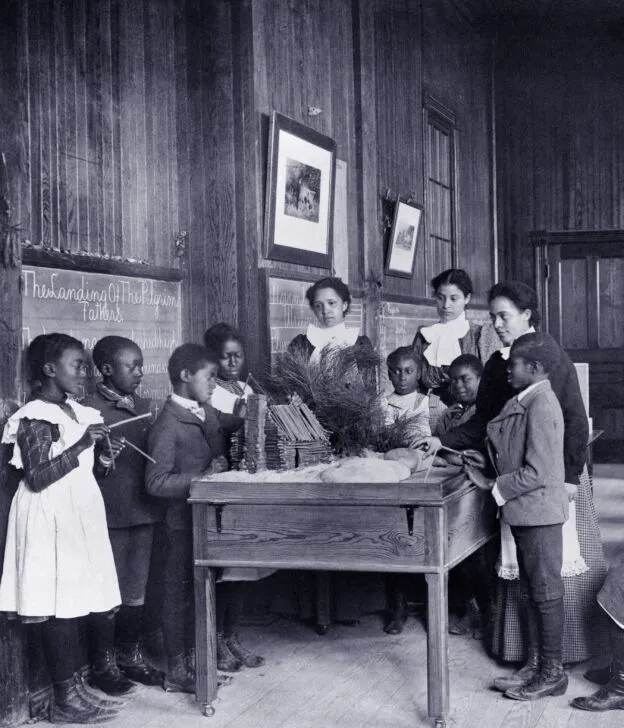
I’ve been teaching the Declaration of Independence for more than 25 years, which is 10 percent of the life of our nation, and just under half my own life. I’ve been alive for more than 20 percent of America’s life. It is astonishing to me how young our country still is. This teaching experience has been infinite in its variety and unceasing in its inspiration. Whether it was low-income adults in a night class in Chicago, sixth graders in a pilot program in Brooklyn, vacationing middle class adults at Chataqua, or college kids on innumerable campuses, every single group has had a transformative experience with the text. The resonance and echoes between past and present cause people to catch their breath. The glowing ideal at the heart of the text—of human equality—alternately puzzles people and calls them to their best selves.
I used to teach the greatest heights of the text first—the foundation in human dignity; the clarity that we the people build institutions to deliver our safety and happiness and that they therefore also belong to us to change; the theory of separate branches of government that is implicit in the structure of the grievances. Then the questions would come, always the same questions. People would ask how we could take seriously the words written by someone who held humans in bondage, or how we could glean lessons from a text that declared men, as in males, all equal.
Over time, I have learned to disarm those pre-programmed responses up front. I begin by teaching people how the Declaration was drafted by five men—including not only Thomas Jefferson but also John Adams and Benjamin Franklin, and that Adams always opposed enslavement and never held people in bondage and that Franklin, by 1776, was also opposed to the practice. I teach them how the second sentence was used by free African Americans in Massachusetts before the end of the Revolutionary War to achieve the abolition of enslavement in Massachusetts. This was also achieved in Pennsylvania where Franklin was from. The text, in other words, helped crystallize the abolitionist movement. That is as much its legacy as anything Jefferson may have left us.
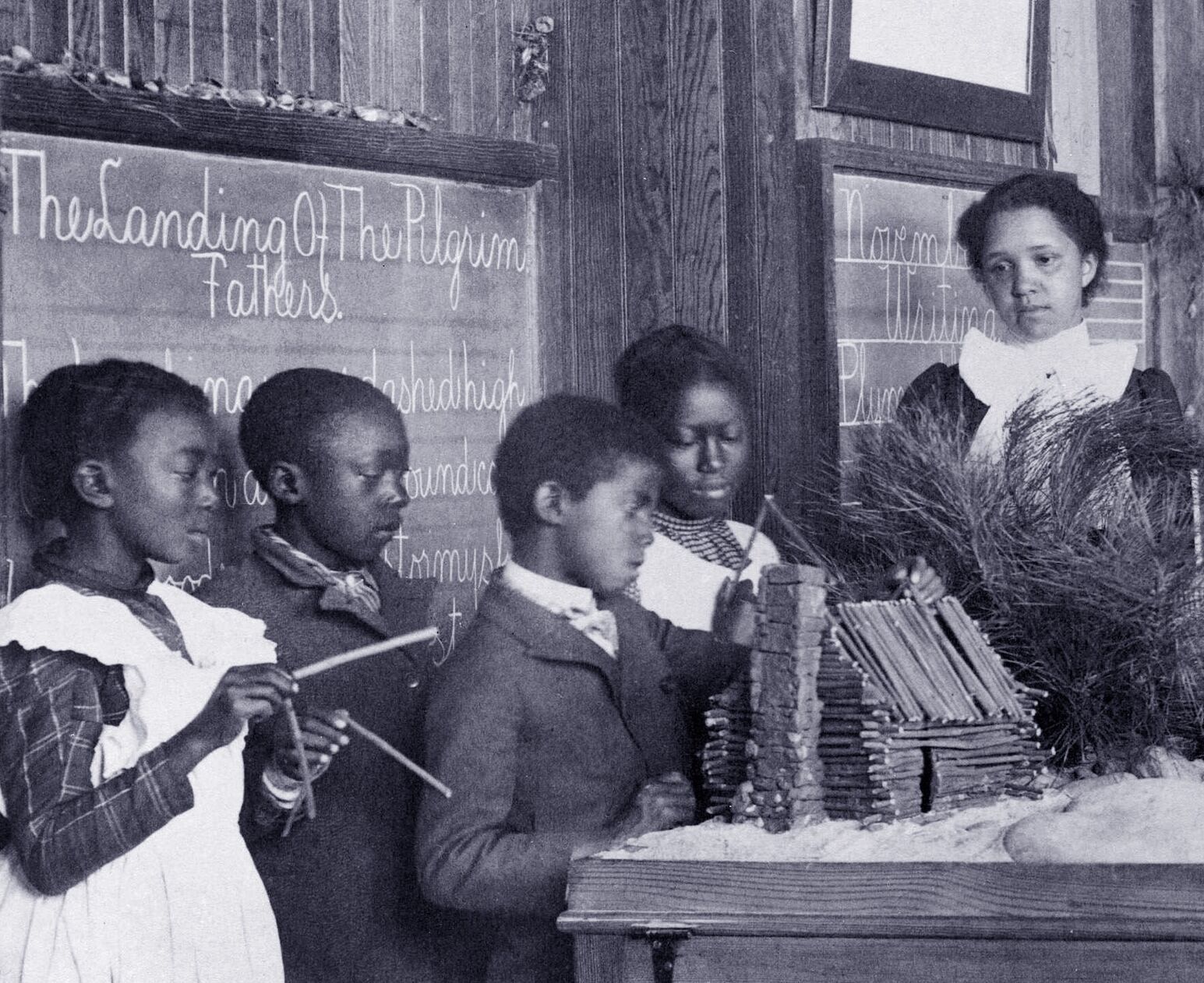
The glowing ideal at the heart of the text—of human equality—alternately puzzles people and calls them to their best selves.
I show people how the word “men” in “all men are created equal,” was used in a universalizing way for all human beings. We know this because in the draft of the Declaration that the committee of the five writers submitted to Congress, they condemned slave auctions where “MEN”—and Jefferson wrote that in ALL CAPS—are bought and sold. Of course, in those auctions it wasn’t merely males who were sold, but also women and children. The word had a universalizing function in the 18th century that it no longer has for us, but when they said “all men are created equal,” they did in fact mean all people. That draft text also condemned King George III for a slave trade that violated the “sacred rights of life and liberty” of a distant people in Africa. In others, that draft the committee submitted attributed the same rights to the colonists and to Africans. That was a recognition of human equality.
These lessons in turn lead to further mysteries that have to be cleared up. If the drafters of the Declaration did have a universalizing view about human equality and human rights, how did they end up accepting enslavement and domination of men over women? I then remind people that some of the people who signed the Declaration did not accept enslavement. I remind them that the text was used immediately to end the practice of slavery in Massachusetts and Pennsylvania (and also Vermont, which was at the time its own country). The conflict that would lead to the Civil War began then, with the Declaration, because many people understood its claims to equality fully and took them seriously.
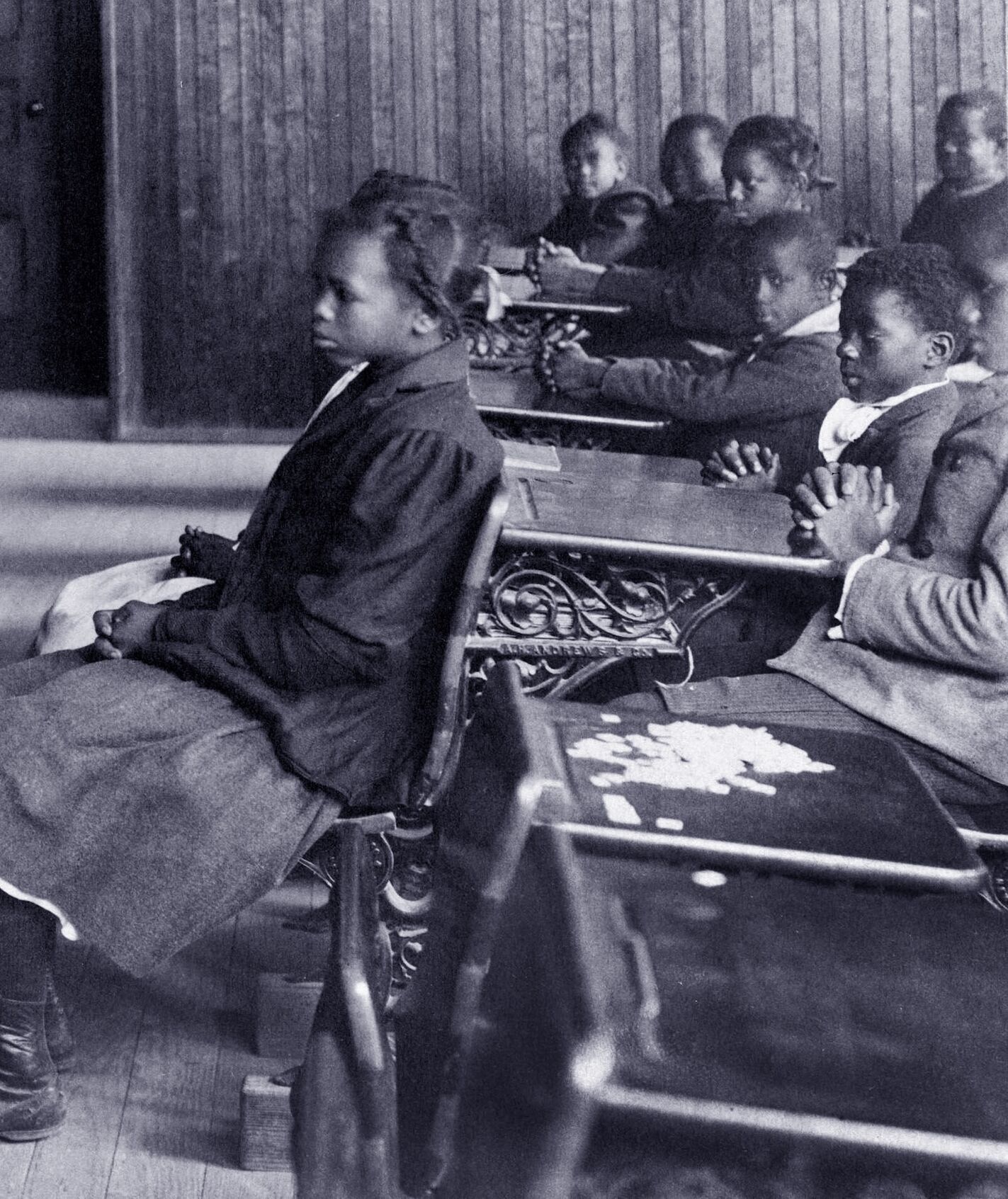
The conflict that would lead to the Civil War began then, with the Declaration, because many people understood its claims to equality fully and took them seriously.
I explain that the mistake the founders made was in thinking that rights could be protected for all while power was placed only in the hands of some. The second sentence of the Declaration divides the work of citizenship into two activities: first, laying the foundation of government on principles; and, second, organizing the powers of government. John Adams wrote to Abigail Adams, when she asked him to remember the ladies, by indicating that while women were included in the principles—the idea that all have a right to the blessings of life, liberty, and happiness—men would retain their “masculine system” for the exercise of power. It would be their responsibility to ensure that women’s wellbeing was protected. He endorsed benevolent paternalism. He thought that protecting rights for all could be achieved by placing hands in the power of some.
Abigail was not impressed and warned that power in the hands of husbands too often tended toward tyranny. She warned that women were likely to have to “foment a rebellion” to achieve “voice [and] representation.” Her insight was accurate. Power corrupts, and absolute power corrupts absolutely. The only way to protect the rights of all—the principle anchoring our government—is to organize the powers of government so that that power is shared by all. This would become plain as one generation gave way to the next, and the dynamic political struggles of our country changed American life. After we have done this work of clarifying both how seriously the drafters of the Declaration meant the concept of human equality and the mistake they made about how to organize power, we are then able to turn back to the basics—the theory of revolution and of the social contract in the second sentence; the theory of constitutionalism in the grievances; the commitments of reciprocity and mutualism that define the decision to act together to make the world anew. That is just the beginning, but by this point my student are usually fully open to the text, and we can make great and rapid strides in unpacking its political philosophy, like harvesting honey from a hive.
About the Author
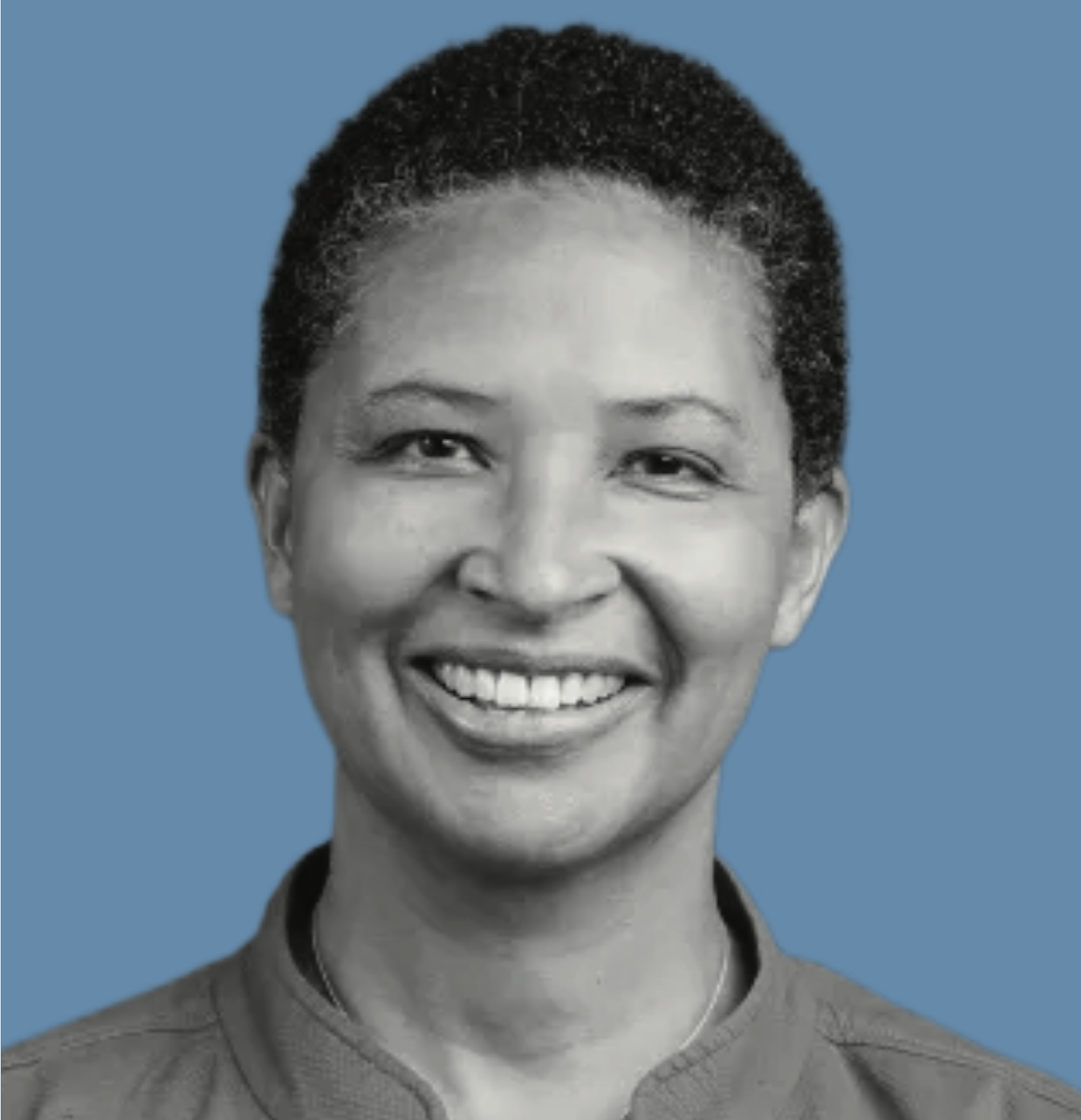
Danielle Allen is the James Bryant Conant University Professor at Harvard University and Director of the Allen Lab for Democracy Renovation at the Harvard Kennedy School. She is a professor of political philosophy, ethics, and public policy as well as a seasoned nonprofit leader, democracy advocate, tech ethicist, distinguished author, and mom.